Resources
Redefining Recovery – Brand Story Overview
Watch the BHG brand story on redefining recovery: evidence-based outpatient opioid addiction care with medication, counseling and ongoing support.
Read MoreThe latest from Behavioral Health Group

Work-Life Balance
Work life balance at BHG supports employees with flexibility, support and a culture that values well-being and meaningful work.
Evidence-Based Treatment
Evidence-based addiction treatment uses medication, counseling and clinical best practices to support recovery and improve long-term outcomes.

Why BHG?
Why work at BHG? Employees share how teamwork, growth and patient impact create a supportive and meaningful workplace.

Nicole’s Story of Hope
Nicole shares her story of hope and recovery from opioid addiction, and the role medication, counseling and support played along the way.
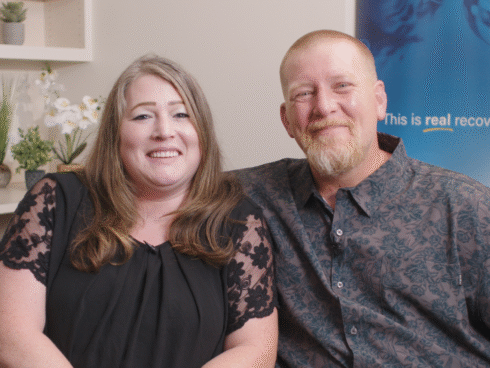
A Story of Love & Support
A Story of Love & Support shares how Tiffany and Caleb found recovery together through treatment, support and hope at BHG.
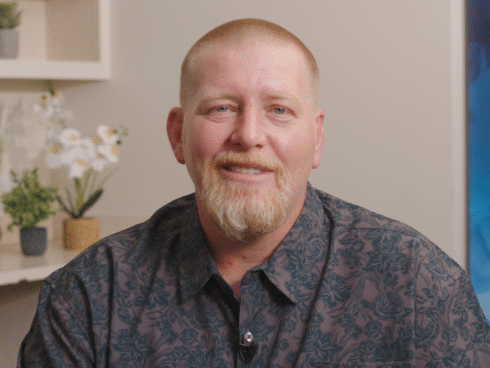
Caleb’s Recovery Story
Caleb’s Recovery Story: how compassionate addiction treatment at BHG helped Caleb begin recovery, make healthy changes and rebuild his life.

Casey’s Recovery Story
Casey’s recovery story shares how support, treatment and coping tools at BHG helped him rebuild his life and find hope again.
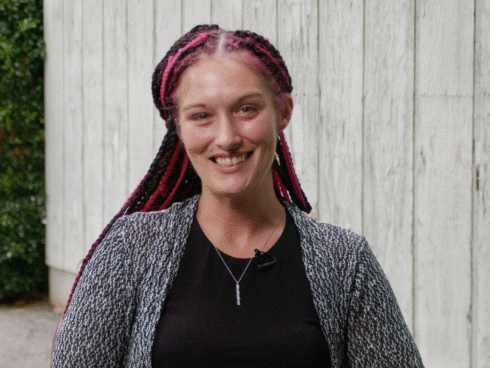
Tatum’s Recovery Story
Learn about Tatum’s recovery journey and how BHG’s addiction treatment helped her find hope and build a brighter future.

Lonnie’s Recovery Story
Lonnie shares his recovery story, including how outpatient treatment with medication and counseling supported his path forward at BHG.
How can you help a loved one with substance use disorder?
Learn how to help a loved one with substance use disorder through support, communication and connecting them to treatment.
How do you get back on track after a slip or relapse?
How do you get back on track after a slip or relapse? Learn practical steps, support strategies and how to move forward in recovery.

What makes BHG different as a referral partner?
Discover how BHG serves as a trusted opioid use disorder referral partner, supporting healthcare, justice and community providers.