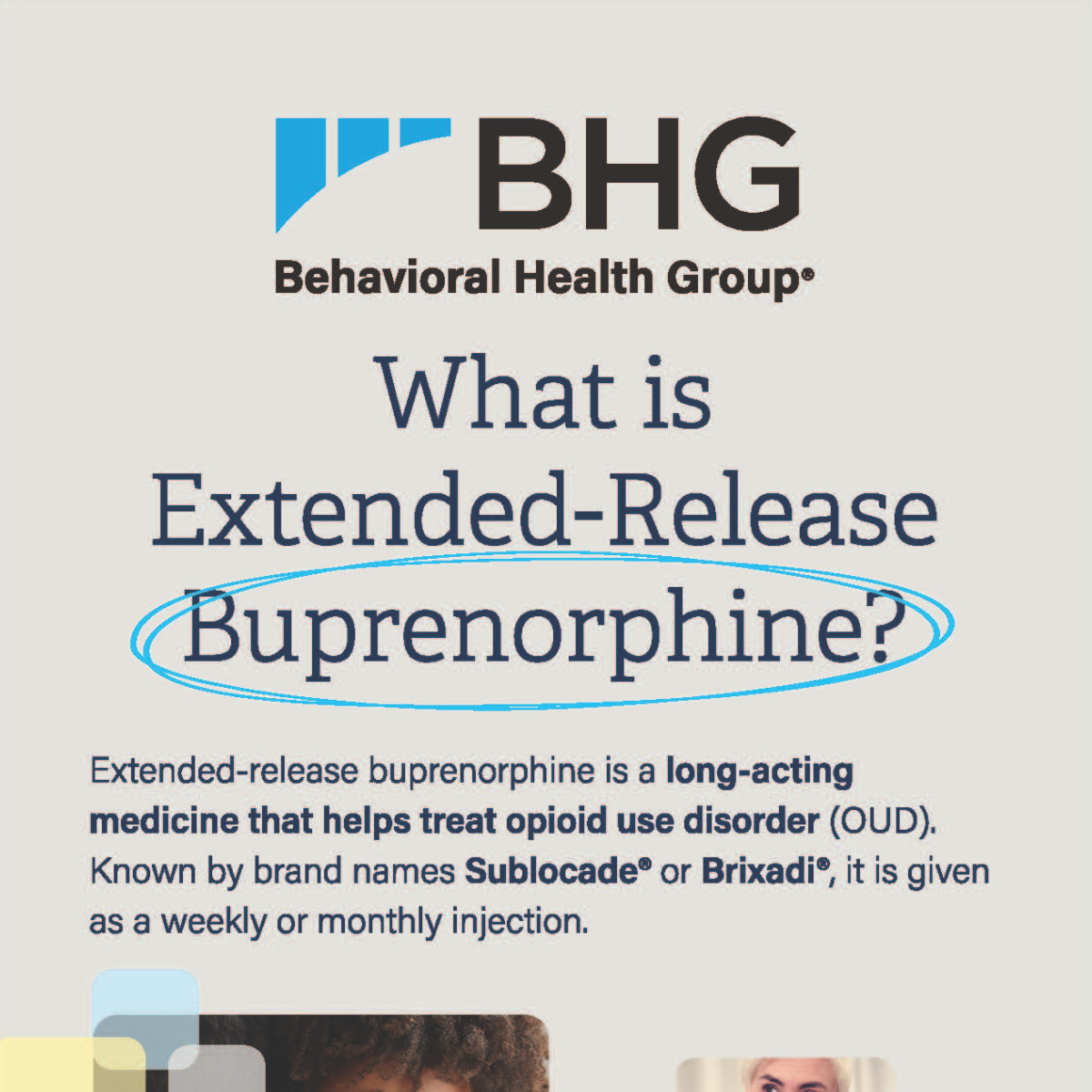
What is Buprenorphine?

In this video, Dr. Ben Nordstrom explains how buprenorphine is used to treat opioid use disorder and support long-term recovery.
Buprenorphine is an FDA-approved medication that works by partially activating opioid receptors in the brain. By doing this, buprenorphine helps reduce cravings and withdrawal symptoms while lowering the risk of misuse. It can be an important option for individuals who benefit from flexible, effective treatment.
How Buprenorphine Works
Buprenorphine is a partial opioid agonist, meaning it activates opioid receptors in a controlled way but with a ceiling effect. This helps reduce withdrawal symptoms and cravings without producing the same level of euphoria as full opioids.
Because of this ceiling effect, buprenorphine has a lower risk of misuse compared to full opioid agonists.
When It May Be Used
Providers often start buprenorphine after a person begins experiencing mild to moderate withdrawal symptoms. Starting it too soon can trigger withdrawal, so timing is important.
Care teams work closely with each patient to determine when to begin and how to adjust dosing over time.
Available Options
Buprenorphine is available in several forms, including sublingual tablets and films (such as Suboxone®) as well as long-acting injectable options.
These options allow providers and patients to choose an approach that best fits a person’s needs, preferences and treatment plan.
Part of a Comprehensive Treatment Plan
Providers often use buprenorphine alongside counseling and other support services to address both the physical and emotional aspects of opioid use disorder.
This combination helps patients stay engaged in care and build skills for long-term stability.
Supporting Long-Term Recovery
Buprenorphine can support long-term recovery by helping patients maintain stability and reduce the risk of returning to opioid use.
With consistent care and support, individuals can focus on their recovery and continue making progress.
Finding the Right Fit
Every person’s recovery is different. A healthcare provider can help determine whether buprenorphine is the right option based on medical history, treatment goals and stage of recovery.