What is BHG’s integrated dynamic care model?

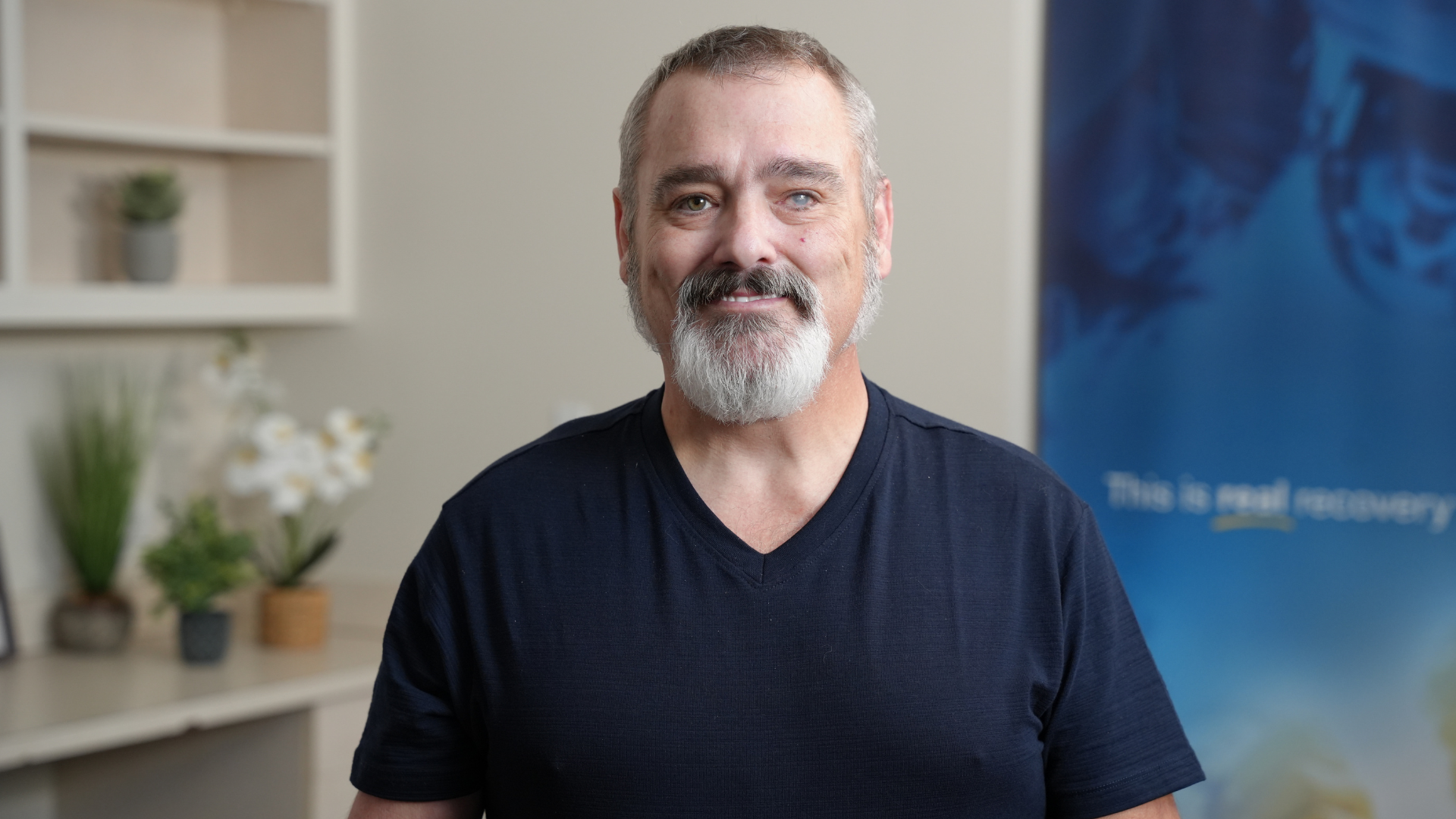
BHG’s integrated dynamic care model is designed to provide comprehensive, coordinated treatment for individuals with substance use disorder. In this video, Dr. Nordstrom explains how this approach brings together medication, counseling and support services to help patients stay engaged and move forward in recovery.
This model focuses on adapting care to each patient’s needs while maintaining consistency and quality.
A Coordinated Approach to Treatment
BHG’s integrated dynamic care model connects different aspects of treatment into one coordinated plan. Medication, counseling and support services work together rather than separately.
This coordination helps ensure patients receive consistent, aligned care.
Adapting Care to Patient Needs
The integrated addiction treatment model is dynamic, meaning it adjusts based on each patient’s progress and needs. Providers continuously evaluate and adapt care plans to support the best possible outcomes.
This flexibility helps patients stay engaged throughout their recovery.
Combining Medication and Counseling
Care integrates medication and counseling as core components of treatment. Medication helps reduce cravings and stabilize patients, while counseling addresses emotional and behavioral needs.
Together, these components provide a more complete approach to treatment.
Supporting Engagement in Care
BHG’s integrated dynamic care model is designed to help patients stay engaged over time. Consistent support, regular follow-up and coordinated care all play a role in keeping patients connected.
This helps reduce gaps in care and supports ongoing progress.
Improving Long-Term Outcomes
An integrated addiction treatment model helps improve outcomes by addressing multiple aspects of recovery at once. Patients receive care that supports both immediate stabilization and long-term success.
This approach helps individuals build stability and continue moving forward.