Treating the Whole Person: Dr. Stephanie Peglow on Evidence-Based Addiction Care

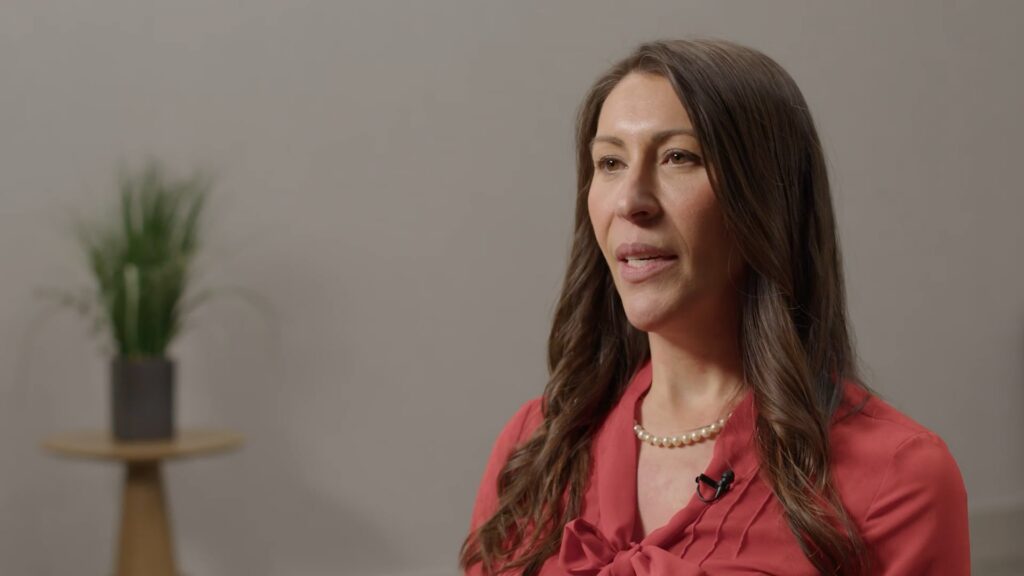
Whole-person addiction treatment helps individuals build lasting recovery by addressing more than symptoms alone. In this video, Dr. Stephanie Peglow shares her perspective on delivering evidence-based addiction care that supports the full needs of each patient.
She highlights how treating the whole person helps patients stabilize, stay engaged in care and move forward with confidence.
Treating More Than Symptoms
Whole-person addiction treatment focuses on the physical, emotional and behavioral aspects of recovery. Providers look beyond immediate symptoms to understand the full picture of a patient’s health.
This approach helps create a more complete and effective treatment plan.
The Role of Evidence-Based Addiction Care
Evidence-based addiction care uses proven methods to support recovery. Medication, counseling and supportive services work together to help patients stabilize and build long-term progress.
This combination helps ensure care is both effective and consistent.
Supporting Individual Needs
Whole-person addiction treatment recognizes that each patient’s journey is different. Providers tailor care plans to reflect individual needs, goals and experiences.
This personalized approach helps patients feel supported and more engaged in treatment.
Building a Foundation for Recovery
Treating the whole person helps patients build stability across different areas of their lives. Care focuses on developing coping skills, improving daily functioning and supporting overall well-being.
This foundation supports long-term recovery and continued progress.
Creating a Patient-Centered Experience
A patient-centered approach is a key part of whole-person addiction treatment. Providers create a supportive environment where patients feel respected, understood and encouraged.
This helps build trust and supports ongoing participation in care.