


Addiction Treatment and Recovery Support for Patients
Your path to recovery starts here. At Behavioral Health Group (BHG), we provide compassionate, evidence-based care that helps you break free from addiction and reclaim your life. We offer outpatient treatment for substance use disorders, including opioid use disorder (OUD), along with co-occurring mental health conditions. Our care combines FDA-approved medications, counseling and ongoing support to help you stabilize, reduce relapse risk and move forward with confidence.

When Is the Right Time to Get Treatment?
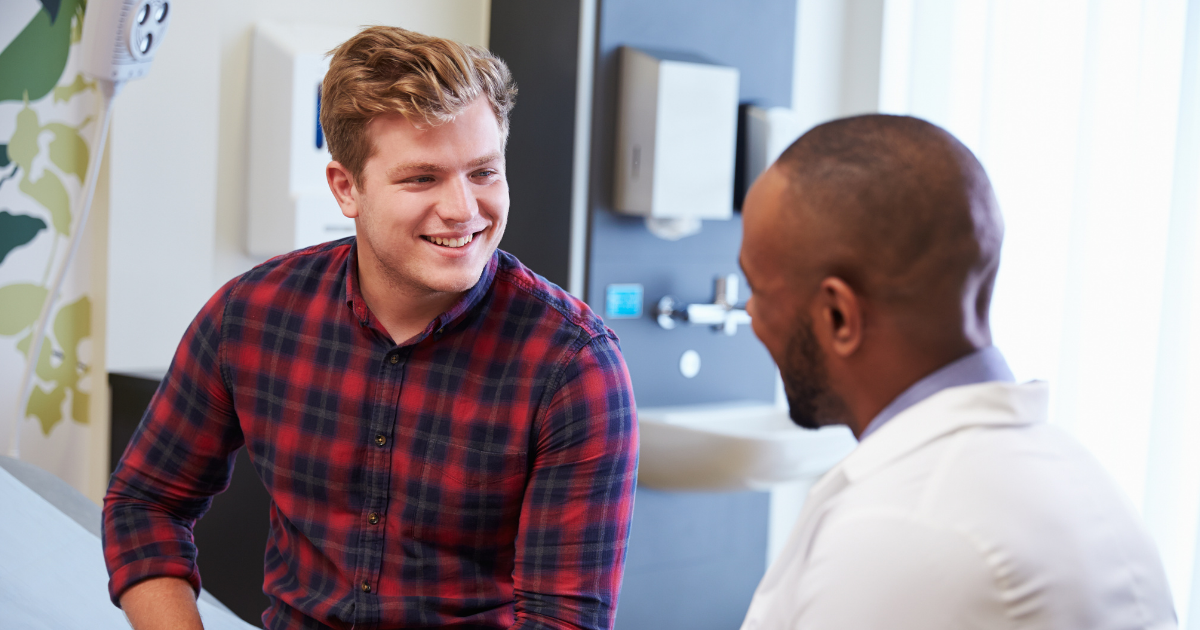
Addiction is a medical condition that changes the brain, not a failure of willpower. With the right treatments such as medication-assisted treatment (MAT), counseling and support services, recovery is possible.
Take our confidential self-assessment to understand your situation and decide whether treatment is the right next step for you.


Substances We Treat
We specialize in substance use disorder treatment, with comprehensive support for opioids such as:
Each condition is treated with the same evidence-based model: FDA-approved medications, behavioral counseling and supportive care.
Walking Beside Your Loved One in Recovery
How can you help a loved one with substance use disorder?
When someone you care about is struggling with substance use, it’s normal to feel worried, overwhelmed or unsure how to help.
At BHG, we understand and we’re here for you, too. Family support can play an important role in recovery. Loved ones can learn about substance use disorder, explore treatment options, join family counseling sessions and encourage ongoing care.
Click Play to Watch the Video – How Can You Help a Loved One with Substance Use Disorder?

Care That Meets You Where You Are
Our treatment program is built to fit into daily life. Even when people go to residential or inpatient treatment, eventually they have to return home. Outpatient care helps support people while they are living their lives and facing day-to-day challenges.

Whole-Patient Approach
Care that addresses substance use as well as mental and physical health needs

Care Team
Providers, nurses, counselors and peer specialists work together on your treatment plan

Telehealth
Virtual counseling and check-ins for added convenience

Intensive Outpatient Programs (IOP)
More structure and support when it’s needed
Recovery Support Services
Case management, peer support and family involvement to help you stay connected

Tailored Care Services
Specialized support for pregnant patients, veterans and other patients with unique needs
Patient & Caregiver Resource Center
We encourage you to check out our resources and download the Caregiver Empowerment Toolkit.
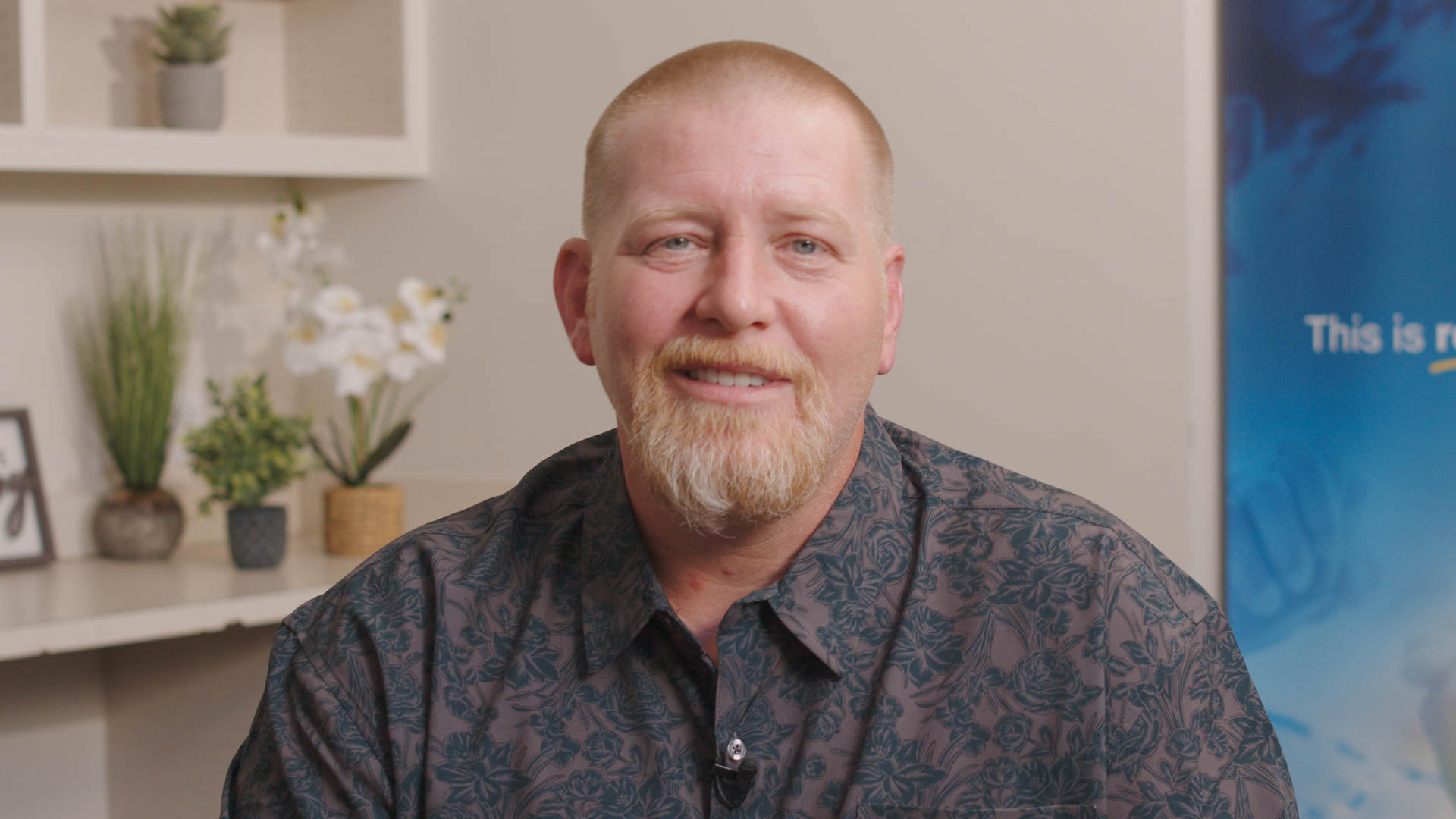
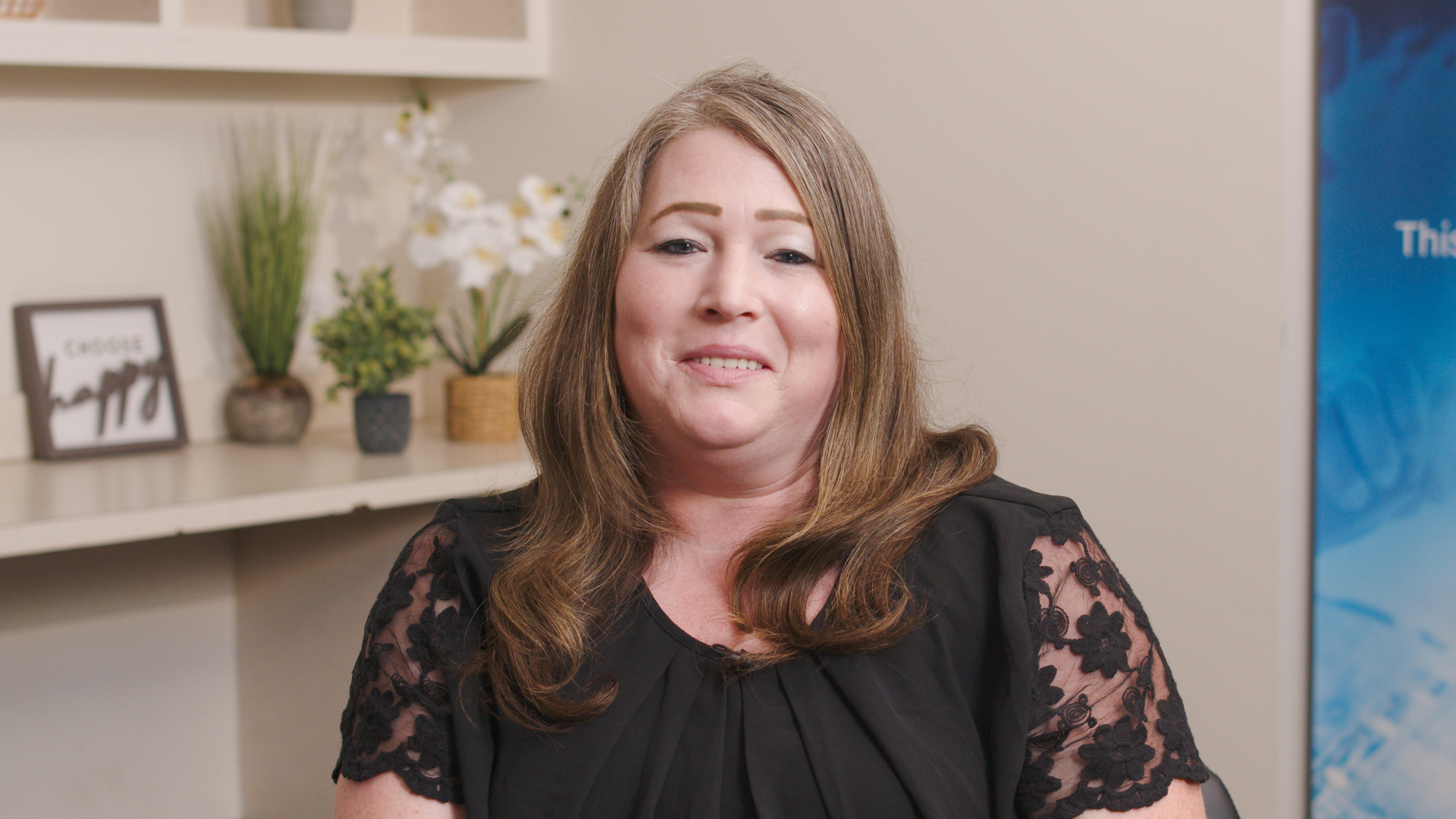
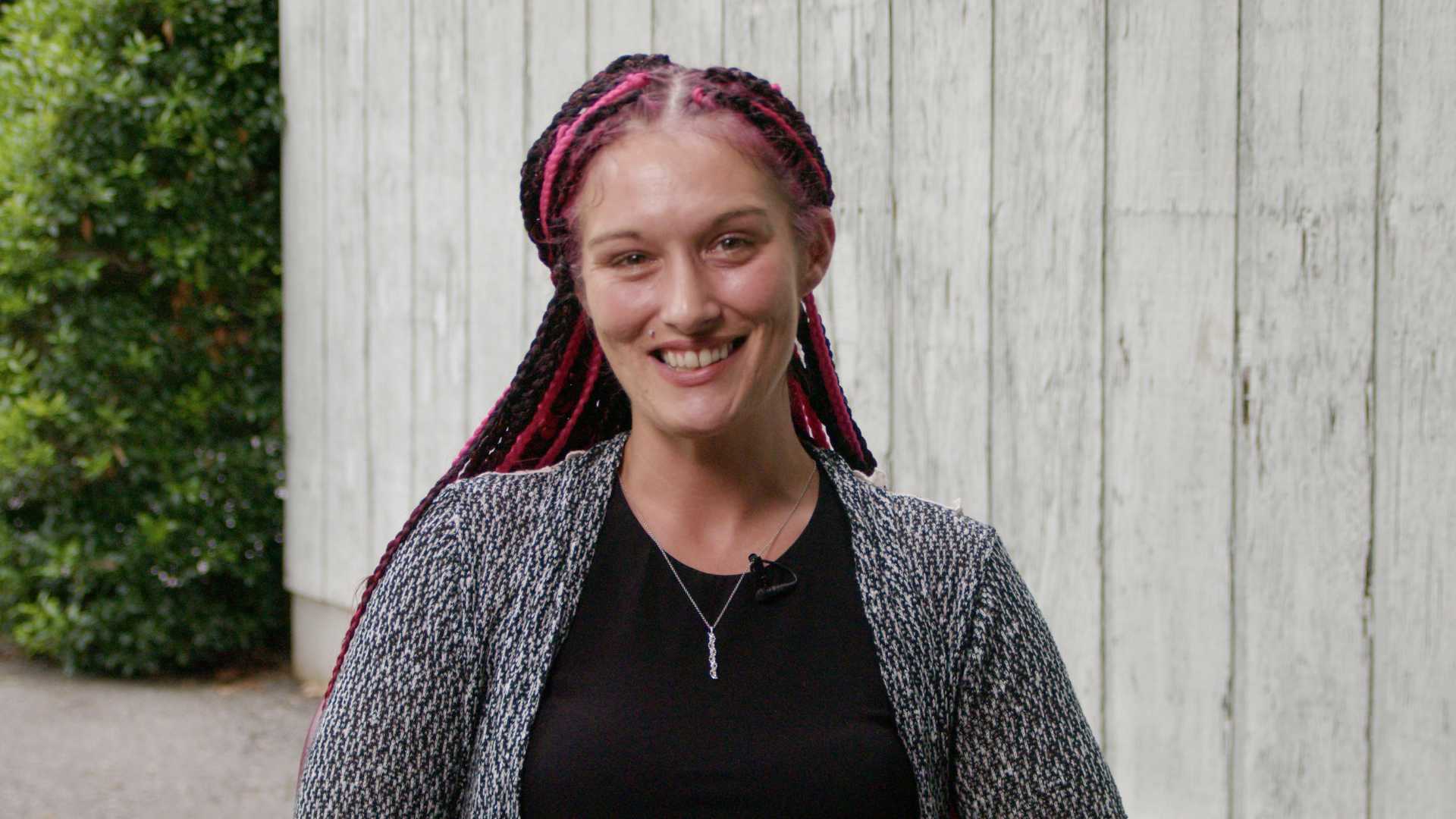
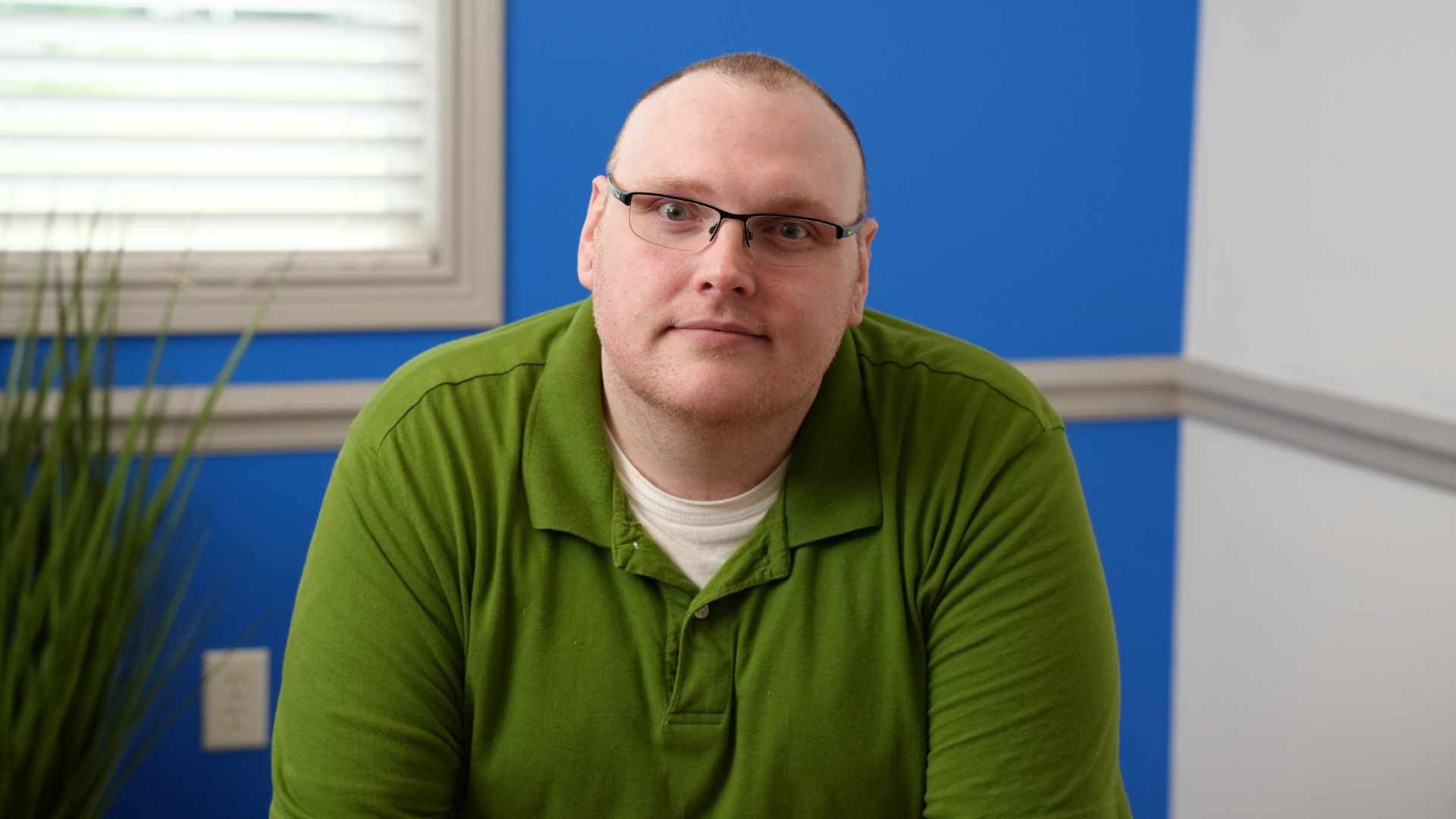
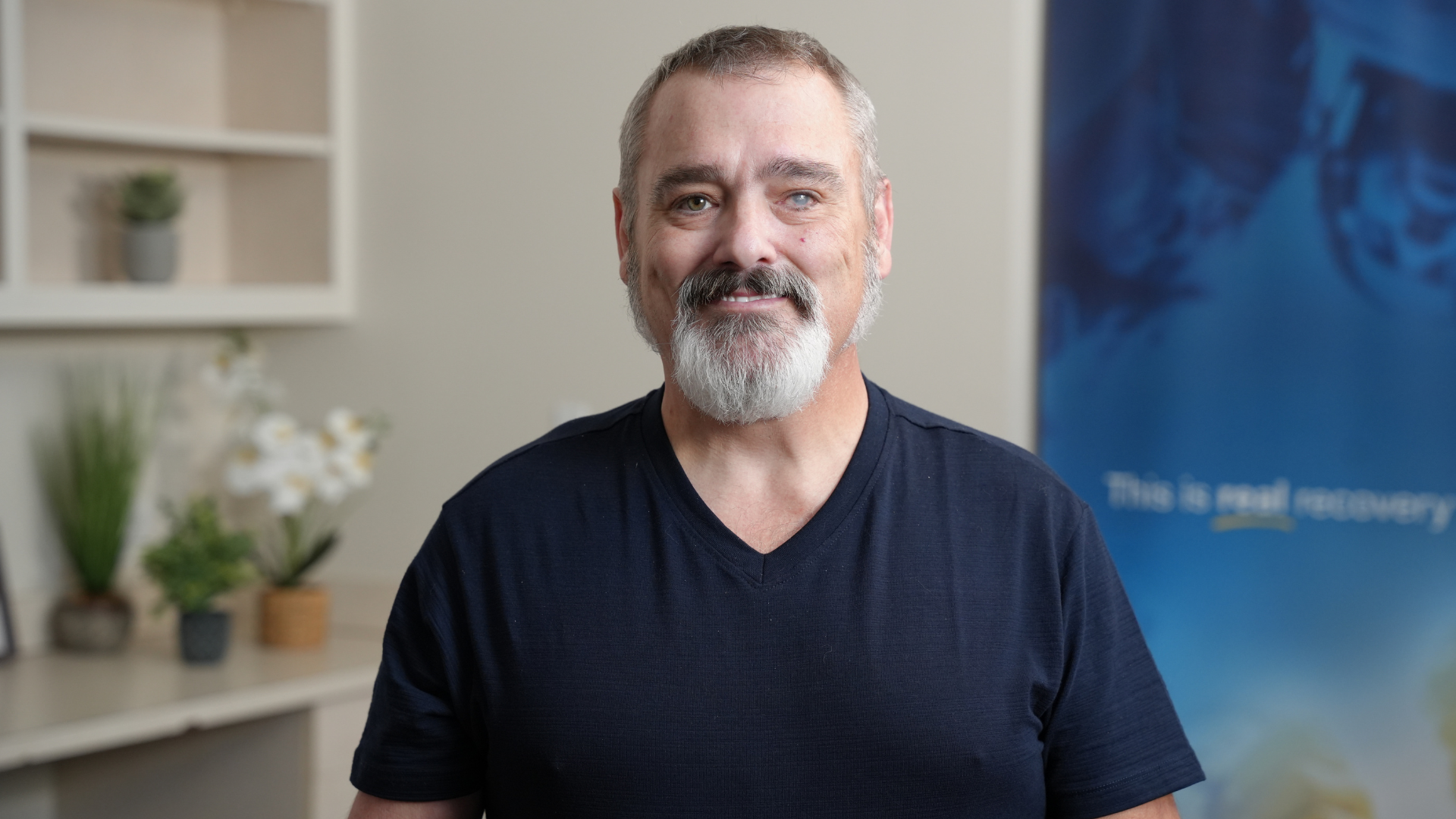
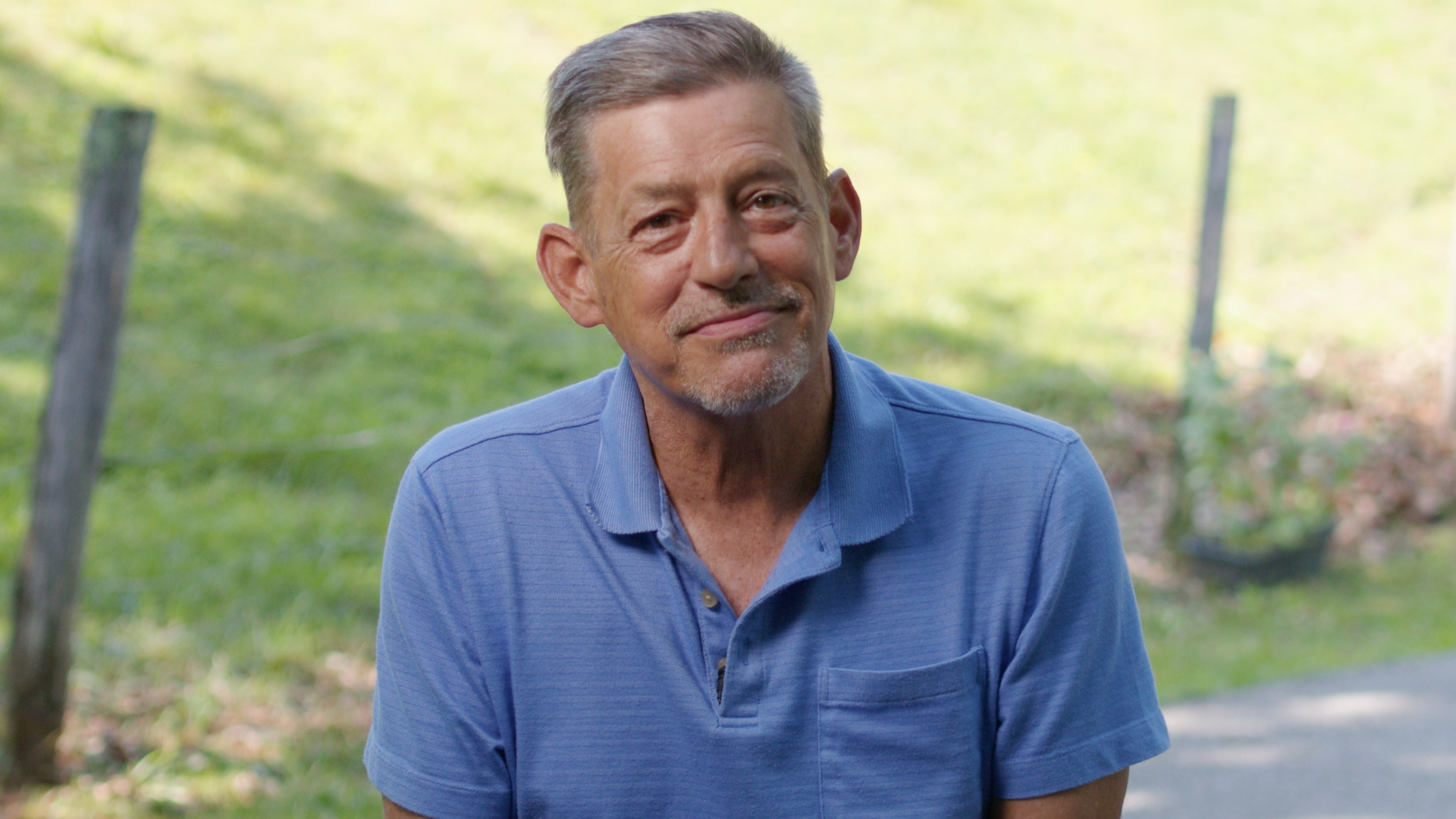
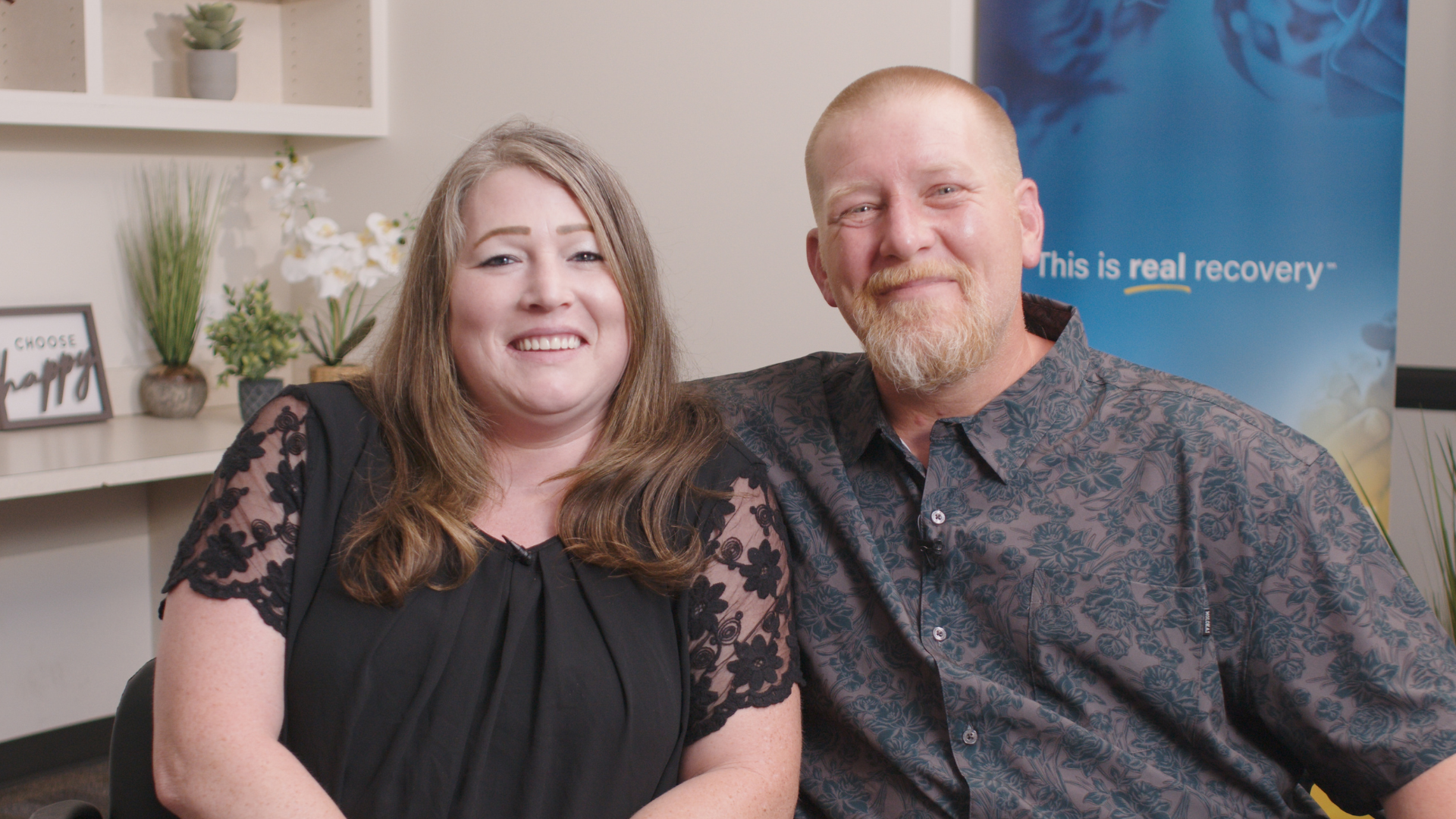
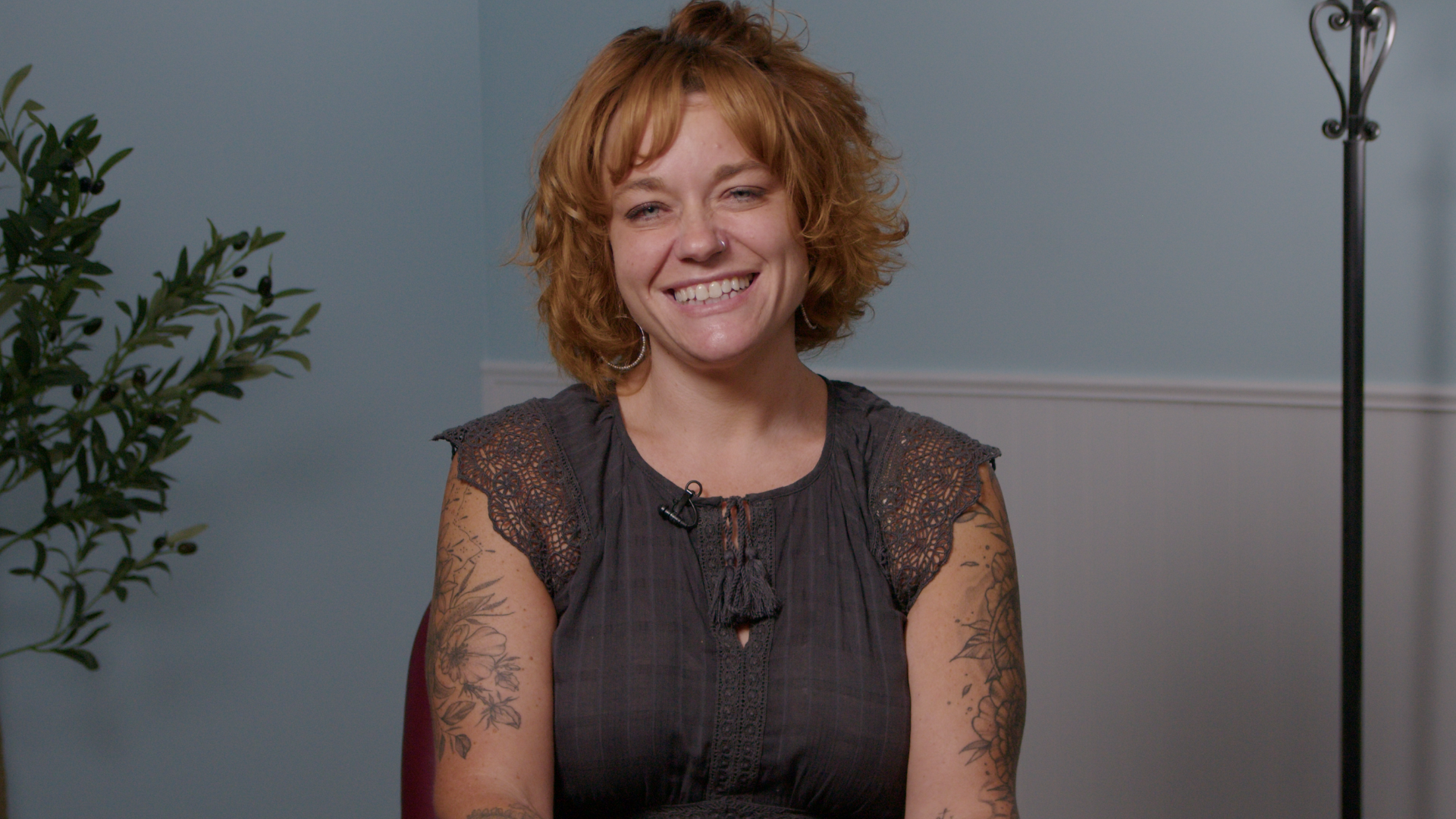
Stories of Hope: Addiction Treatment Success
Explore success stories, helpful videos, treatment tips and expert perspectives.




Proven Outcomes

of patients report an improved quality of life

feel they are progressing toward their treatment goals
report a decrease in substance use during treatment
Accessible Addiction Treatment and Insurance Options
We believe financial barriers should not stand in the way of recovery. BHG accepts Medicaid, Medicare, commercial insurance, flexible self-pay options and grants where available.
Treatment should never be out of reach, which is why BHG offers a wide range of payment options for addiction treatment to make recovery accessible.
Check Your Insurance
Use our insurance finder or work with our team to verify your specific coverage and explain costs.
Find an Outpatient Treatment Center Near You
BHG is the largest network of Joint Commission-accredited opioid treatment centers in the U.S., with more than 110+ locations across 20+ states.
Patients can access:
- Medications for Opioid Use Disorder (MOUD), including methadone, buprenorphine and naltrexone
- Outpatient counseling and Intensive Outpatient Programs (IOP) for added structure
- Recovery support services, such as case management and peer support
- A treatment plan for all patients including pregnant women and veterans.
You Don’t Have to Face This Alone
Our team provides compassionate, evidence-based care with same-day and next-day appointments. Recovery support is ready when you are.
Frequently Asked Patient Questions on Addiction Treatment
What’s the difference between OUD, SUD and addiction?


These terms are related but not identical.
- Substance Use Disorder (SUD) is the medical term for difficulty controlling the use of alcohol or drugs despite harmful consequences.
- Opioid Use Disorder (OUD) is a type of SUD that specifically involves opioids, such as prescription pain medications, heroin or fentanyl.
- Addiction is a commonly used, everyday term for compulsive substance use.
All describe a condition involving cravings, trouble stopping, withdrawal symptoms and continued use despite negative effects.
At BHG, we use both clinical and everyday language to be medically accurate while making sure people clearly understand the conditions we treat.
How do medications for opioid use disorder (MOUD) work?
Medications for opioid use disorder (MOUD) are FDA-approved medications such as methadone, buprenorphine and naltrexone. While each has its own unique effect, all of them act on the same receptor in the brain as opioids do. Each medication has been proven to reduce the use of illicit opioids, reduce opioid cravings and stabilize brain chemistry so patients can focus on recovery.
When combined with counseling and ongoing support as part of medication-assisted treatment (MAT), MOUD is the most effective approach for treating opioid use disorder.
How long will I need to stay in outpatient treatment?
The length of outpatient treatment varies based on each patient’s individual needs and goals. Many people benefit from long-term outpatient care, since substance use disorder is a chronic medical condition.
At BHG, your care team works with you to create a personalized recovery plan. This may include treatment lasting weeks, months or ongoing support to maintain stability over time.
What insurance options are available for addiction treatment?
BHG accepts Medicaid, Medicare, most commercial insurance plans, self-pay options and grant funding where available. Coverage varies by state and treatment center.
Patients are encouraged to confirm benefits with their local center, use the interactive insurance finder or call 844-535-7291. Our staff can explain coverage options and help you understand costs before starting treatment.