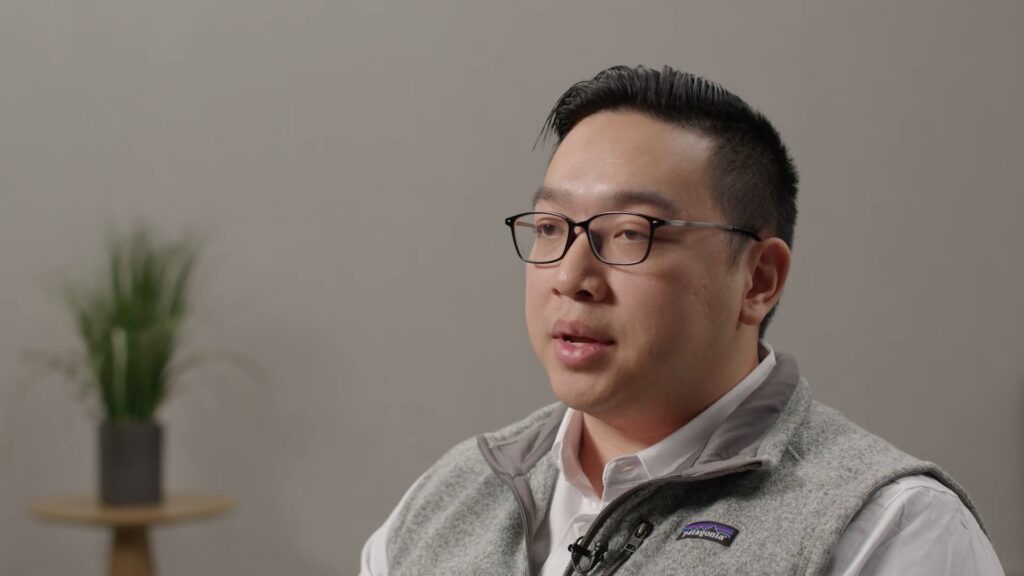
More Than Medicine: Dr. Tommy Pham on Meeting Patients Where They’re At

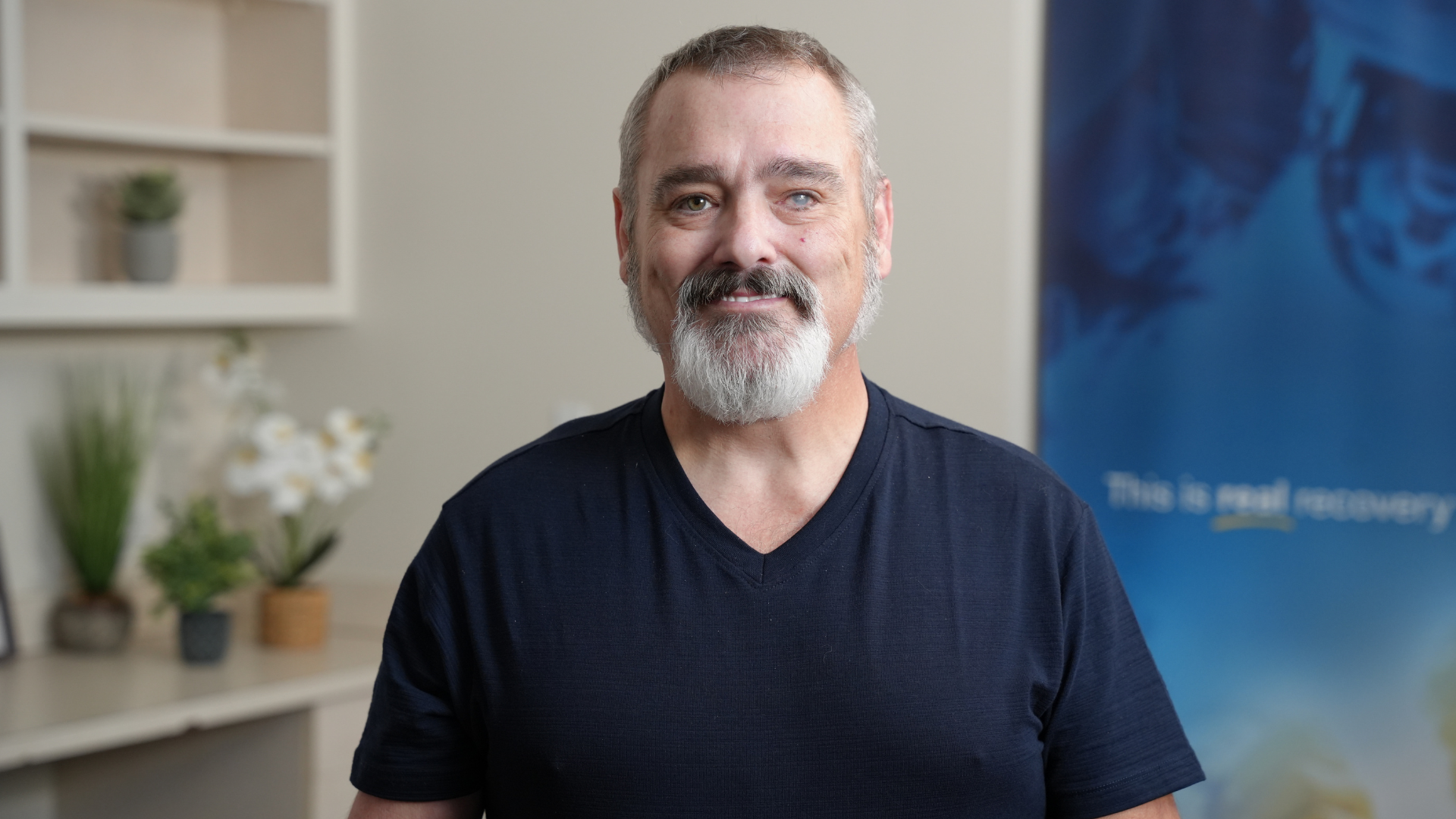
Meeting patients where they are in addiction treatment helps create a path forward at any stage of recovery. In this video, Dr. Tommy Pham shares how patient-centered addiction care supports individuals from their most vulnerable moments through treatment and into recovery.
He highlights how compassionate, coordinated care helps patients begin treatment, stay engaged and move forward over time.
Supporting Patients at Every Stage
Meeting patients where they are in addiction treatment means supporting individuals at different points in their journey. Some patients may be in crisis, while others are already making progress in recovery.
Seeing that change over time is one of the most meaningful parts of care and reinforces the impact of consistent support.
More Than Medication
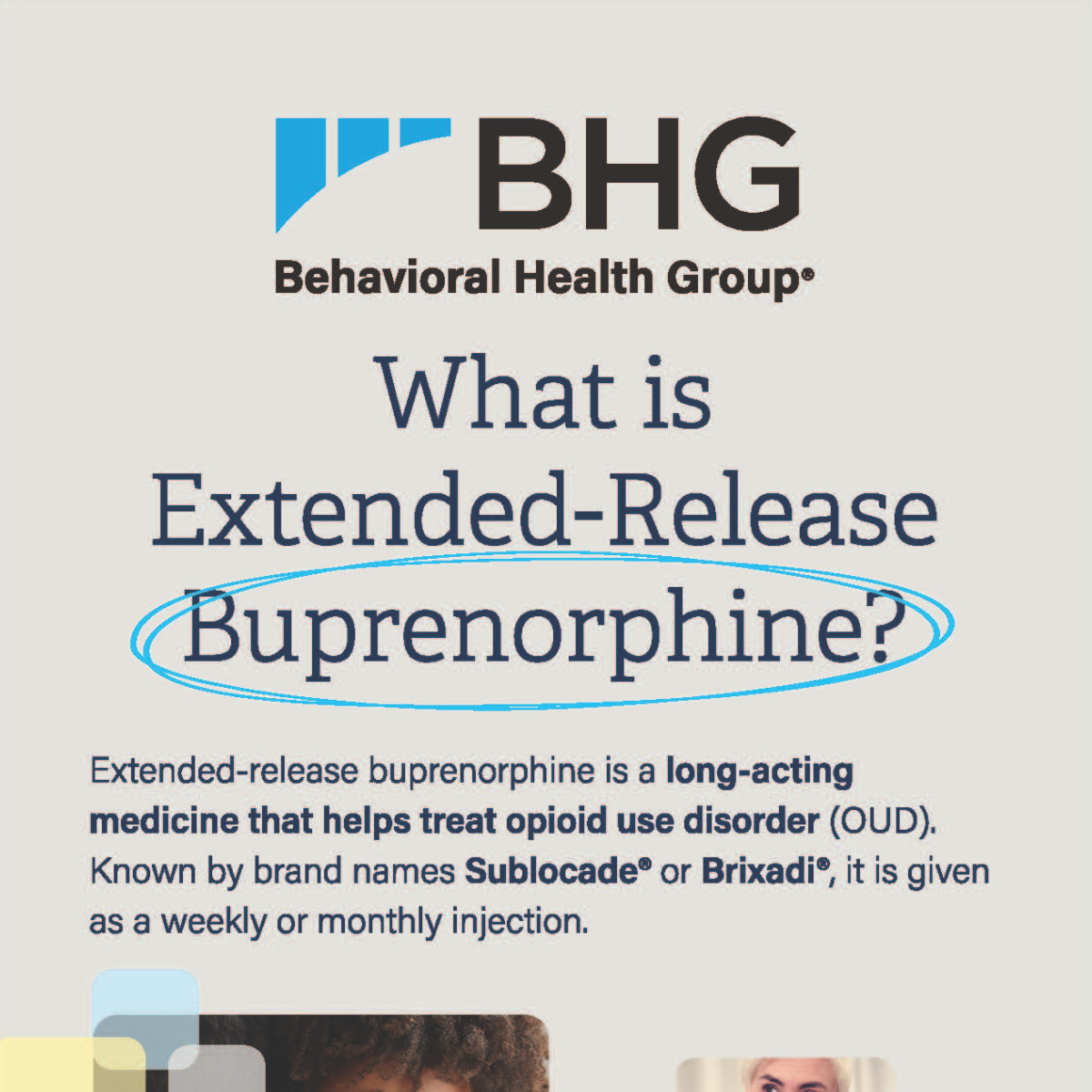
BHG provides all three FDA-approved medications for opioid use disorder, along with counseling and support services. This allows providers to tailor care based on each patient’s needs and goals.
This full range of treatment options helps patients stabilize and continue making progress.
Coordinated, Patient-Centered Care
Patient-centered addiction care often includes coordination with primary care providers and other specialists. Providers work together to support each individual’s overall health and recovery.
Treatment plans may focus on reducing use or achieving abstinence, depending on what is appropriate for the patient.
Encouraging Patients to Seek Help
Meeting patients where they are in addiction treatment also means creating an environment where people feel comfortable asking for help. Encouragement and support can make it easier for individuals to take the first step.
Starting treatment is an important milestone, and early support can help patients stay engaged.
Supporting Long-Term Recovery
Consistent, compassionate care helps patients move forward from crisis to stability and recovery. Ongoing support, counseling and medication all play a role in helping individuals build a healthier future.
This approach helps patients stay connected to care and continue making progress over time.