Kratom Withdrawal Symptoms, Timeline and Treatment
Learn about kratom withdrawal symptoms, the withdrawal timeline, treatment options and when to seek help for kratom dependence.

Kratom withdrawal symptoms can catch people by surprise. Many people begin using kratom to boost energy, manage pain or cope with opioid withdrawal, only to discover that stopping can be more difficult than expected. While kratom is often marketed as a natural product, regular use can sometimes lead to dependence.
If you’re thinking about quitting kratom – or trying to help a loved one who is struggling – you may have questions about what to expect. Understanding kratom withdrawal is an important first step in recognizing the signs of dependence and knowing when it may be time to seek support.
What is Kratom
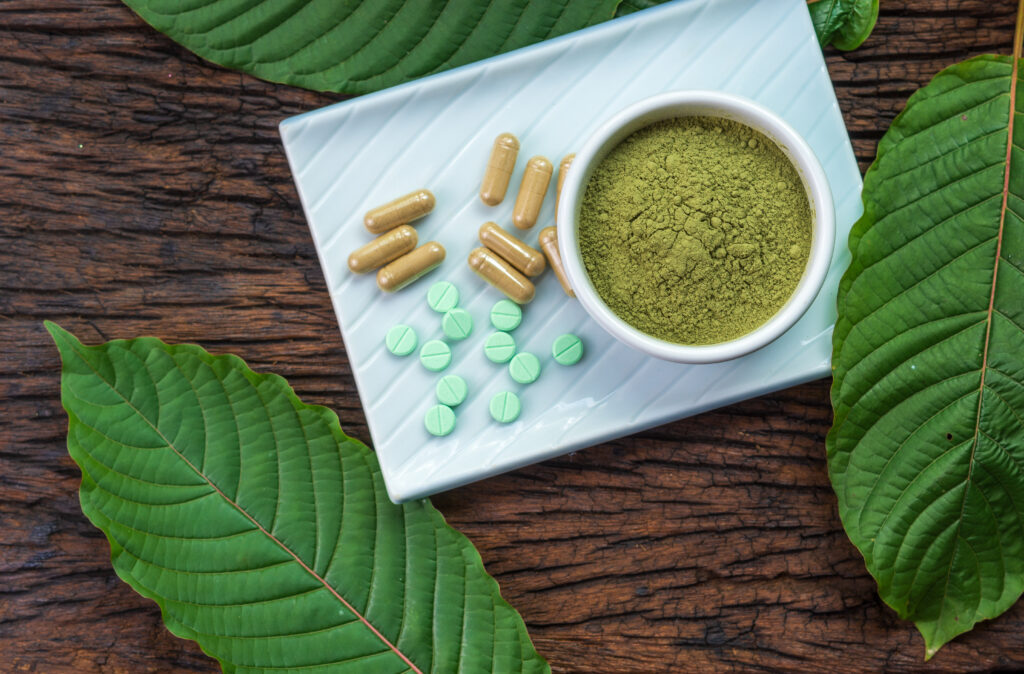
Kratom is a tropical tree native to Southeast Asia that has gained popularity in the United States in the recent years. It is commonly sold as a capsule, powder, tea or extract. Some people use kratom to increase energy, improve mood and manage pain, while others turn to it to help ease opioid withdrawal symptoms or reduce their opioid use. Despite its growing popularity, kratom is not approved by the U.S. Food and Drug Administration (FDA) for any medical use.
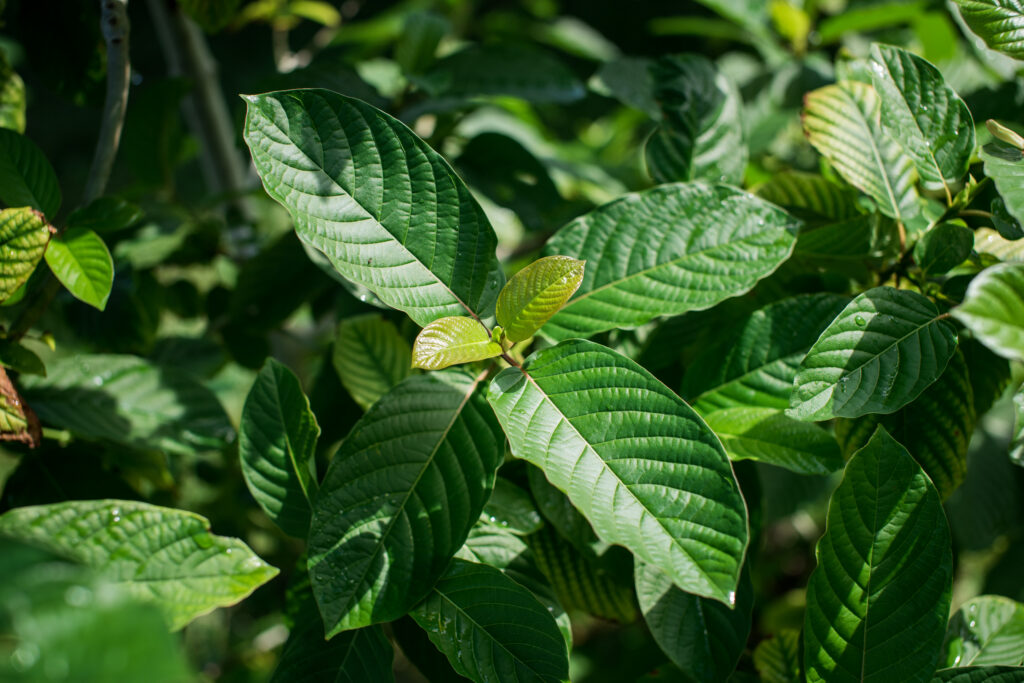
Because kratom comes from a plant, many people assume it is completely safe. However, like other substances that affect the brain and body, kratom can carry risks, especially when it is used regularly or in large amounts. Some of those risks include dependence, withdrawal symptoms when trying to stop use and other potential health concerns.
Want to Learn More about Kratom?
If you’re looking for additional information about kratom, 7-OH products, treatment options or recovery support, visit our dedicated Kratom and 7-OH resource page.
Kratom Dependence
Although kratom is often marketed as a natural product, regular use can lead to dependence. Over time, the body and brain can become accustomed to the effects of kratom, making it difficult to stop using it without experiencing discomfort.
While not everyone who uses kratom will develop dependence, the risk may increase with frequent use, higher doses and long-term use.
How Kratom Affects the Brain
Kratom contains chemical compounds that interact with receptors in the brain, including some of the same receptors affected by opioids. These interactions can produce effects such as increased energy, relaxation or pain relief, depending on how much kratom is used.
With repeated use, the brain may begin to adapt to the presence of kratom. As this happens, some people develop tolerance, meaning they need larger amounts to achieve the same effects they once experienced with smaller doses. Over time, this can increase the risk of dependence. When kratom use is reduced or stopped, the body must adjust again, which can lead to withdrawal symptoms.

Kratom Withdrawal Symptoms
Kratom withdrawal symptoms can be different from person to person. Factors such as how long someone has used kratom, how often they use it and the amount they typically take can all influence their experience. While some people experience relatively mild symptoms, others may find withdrawal more challenging.
Withdrawal symptoms can affect both the body and mind, especially during the first few days after reducing or stopping kratom use.
Physical Symptoms
Physical kratom withdrawal symptoms may include:
- Muscle aches and body pain
- Fatigue or low energy
- Nausea or upset stomach
- Sweating
- Chills
- Headaches
- Tremors or shaking
- Changes in appetite
- Difficulty sleeping or insomnia
These symptoms can range from mild to more uncomfortable depending on the person and their pattern of kratom use.
Emotional and Psychological Symptoms
In addition to physical symptoms, some people experience emotional and psychological effects during kratom withdrawal.
Common symptoms may include:
- Anxiety
- Irritability
- Restlessness
- Mood swings
- Depression
- Difficulty concentrating
- Cravings for kratom
For some people, emotional symptoms may have a big impact on daily life during withdrawal, particularly in the early stages of the process.
Kratom Withdrawal Timeline
One of the most common questions people have about kratom withdrawal is how long it will last. While everyone’s experience is different, withdrawal symptoms typically begin within a day or two after reducing or stopping kratom use and may change in intensity over time.
Several factors can influence a person’s kratom withdrawal timeline, including how long they have used kratom, how much they typically take, how often they use it, and their overall physical and mental health.
First 12 to 48 Hours
For many people, withdrawal symptoms begin within the first 12-48 hours after their last dose of kratom. Early symptoms may include anxiety, restlessness, muscle aches, fatigue and difficulty sleeping. Some people also begin to experience cravings for kratom during this stage.
Days 2-5
Withdrawal symptoms are often most noticeable during the first several days after stopping kratom. Physical symptoms such as nausea, sweating, chills, headaches and body aches may continue, while emotional symptoms like irritability, anxiety and mood changes can become more pronounced.
One Week and Beyond
For many individuals, physical symptoms begin to ease within about a week. However, some emotional and psychological symptoms, such as low mood, sleep difficulties, or cravings, may persist longer.
How long kratom withdrawal lasts can vary depending on the individual. While some people feel significantly better within several days, others may continue to experience symptoms for weeks after stopping kratom use.

When to Seek Treatment for Kratom Withdrawal Symptoms
While kratom withdrawal symptoms can improve over time, they are not always easy to manage alone. In some cases, withdrawal can affect daily responsibilities, mental health and overall quality of life.
Seeking professional support may be beneficial if:
- Withdrawal symptoms feel overwhelming or difficult to manage
- Symptoms are affecting work, school or family responsibilities
- You have tried to stop using kratom multiple times without success
- You are experiencing significant anxiety, depression or other mental health concerns
- Kratom use occurs alongside opioid use or opioid use disorder (OUD)
Treatment can provide medical guidance, emotional support and strategies to help manage withdrawal symptoms and reduce the risk of returning to kratom use. Reaching out for help is not a sign of weakness – it’s a proactive step toward recovery and long-term health.
Suboxone for Kratom Withdrawal
People experiencing kratom withdrawal often search for ways to manage their symptoms, which may lead to them to ask whether Suboxone treatment can help.
Suboxone is an FDA-approved medication that contains buprenorphine and naloxone. It is commonly used to treat opioid use disorder (OUD) and can help those experiencing kratom dependence or withdrawal. Because kratom interacts with some of the same receptors in the brain as opioids, treatment providers may use similar approaches in certain situations.
Research shows that buprenorphine/naloxone treatment helps reduce kratom withdrawal symptoms and cravings while supporting recovery from kratom dependence. As a result, Suboxone for kratom withdrawal is commonly recommended when a person needs support to manage symptoms and reduce the risk of returning to kratom use.
Because every person’s experience is different, treatment should be tailored to their unique needs, symptoms and medical history. A care team can help determine whether Suboxone or another treatment approach may be appropriate.

Recovery from Kratom Dependence and Opioid Use Disorder is Possible
Taking the first step toward recovery can feel overwhelming, especially when dealing with withdrawal symptoms or concerns about stopping kratom use. However, with the right support, recovery is possible.
At Behavioral Health Group (BHG), we provide personalized, evidence-based treatment designed to meet each person’s unique needs. Our medication-assisted treatment (MAT) approach includes medications, counseling and recovery support services to help patients achieve lasting recovery.
With more than 110 locations across 20+ states, BHG offers same-day or next-day admissions so patients can begin treatment quickly. If you or a loved one is ready to take the next step, find a BHG location near you or call us to learn more about available treatment options.
Healthcare providers, community partners and referral sources can also connect patients with BHG by calling our team or submitting a referral through our online referral form.
Medically reviewed by: Dr. Benjamin Nordstrom, MD, PhD
Last reviewed: July 2026
Frequently Asked Questions about Kratom and Withdrawal Symptoms
What is kratom used for?


People use kratom for different reasons. Some take it to increase energy or improve focus, while others use it to manage pain or cope with opioid withdrawal symptoms. Because kratom products can vary widely, the effects may be different for each person.
Is kratom an opioid?
No, kratom is not an opioid. However, it can produce opioid-like effects because it interacts with some of the same receptors in the brain. This is one reason why regular use can sometimes lead to dependence.
Some people use kratom as an alternative to opioids or to manage opioid withdrawal symptoms on their own. However, if kratom is no longer available or stops producing the desired effects, some individuals may be at risk of returning to opioid use, including dangerous illicit opioids.
How long does kratom stay in your system?
There is no exact timeline for how long kratom stays in the body. Factors such as how much a person uses, how often they use it and their overall health can all affect how quickly it leaves their system.
Is kratom safe?
Many people assume kratom is safe because it comes from a plant. However, kratom can cause side effects and may lead to dependence in many individuals. Like any substance that affects the brain and body, it carries potential risks that should not be overlooked.
Does everyone experience kratom withdrawal symptoms?
Not everyone who uses kratom will experience withdrawal symptoms. However, people who use kratom regularly or in larger amounts may be more likely to experience symptoms when they stop using it.
Can kratom show up on a drug test?
Standard drug tests do not typically test for kratom. However, specialized tests may be able to detect kratom or its compounds.
Some people also wonder whether kratom can cause a positive test result for opioids. While drug testing methods vary, standard opioid tests are generally designed to detect opioids rather than kratom.
Is there a kratom ban in the United States?
There is no nationwide kratom ban in the United States. However, kratom laws vary from state to state. While kratom is legal in many areas, some states and local governments have banned or restricted its sale and use. Because kratom laws change over time, it’s important to stay informed about the laws and regulations in your area.
Learn more about current kratom laws and regulations.
For more information about kratom bans, read our blog on Why Some States Are Banning Kratom.