How Does BHG Address the Opioid Crisis?

In this video, Chief Executive Officer, Tony Kilgore, explains how opioid use disorder treatment integrates medication, counseling and supportive services to improve outcomes and support long-term recovery. It also highlights how coordinated partnerships and individualized care expand access and strengthen care delivery.
Addressing the Opioid Crisis Through Comprehensive Care
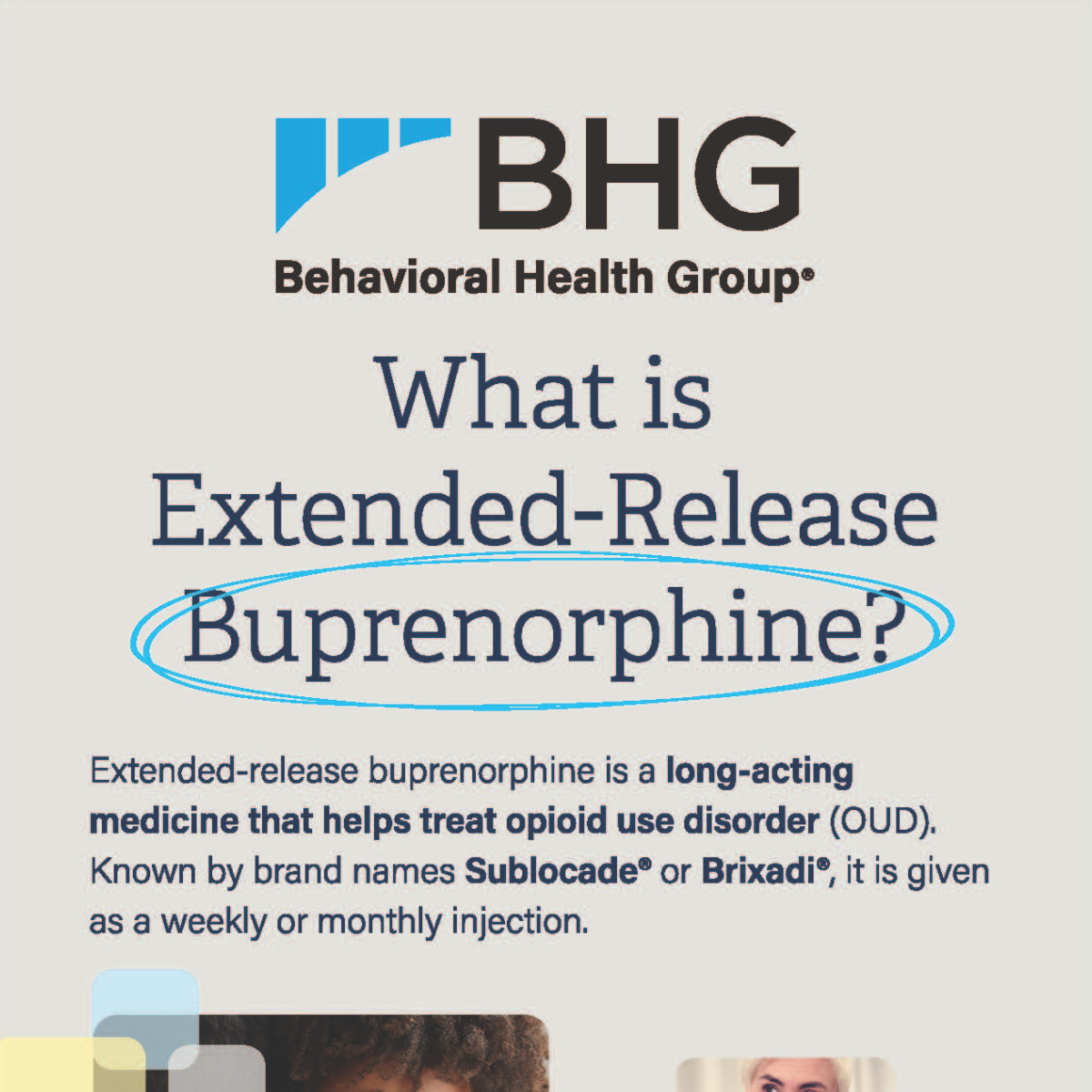
BHG addresses opioid use disorder through a comprehensive, evidence-based treatment approach. Care includes medication for opioid use disorder (MOUD), counseling and supportive services that work together to reduce opioid use, prevent overdose and support long-term recovery.
This coordinated model helps patients stabilize, stay engaged in treatment and build a foundation for sustained progress.
A Coordinated Approach to Treatment
Treatment integrates medication, counseling and supportive services into a structured, individualized plan. Each component plays a role in supporting recovery, from managing withdrawal and cravings to building coping skills and improving daily functioning.
This approach helps ensure patients receive consistent, aligned care across all aspects of treatment.
Expanding Access Through Partnerships
BHG collaborates with healthcare systems, community organizations and referral partners to connect more individuals to care. These partnerships support timely access, coordinated referrals and continuity of treatment.
Working across systems helps reduce gaps in care and supports patients as they transition into and remain engaged in treatment.
Individualized, Patient-Centered Care
Treatment plans are tailored to each patient’s needs, goals and clinical presentation. This individualized approach supports engagement and helps patients move forward at a pace that aligns with their recovery.
Patient-centered care reinforces trust, consistency and long-term participation in treatment.
Improving Outcomes and Supporting Recovery
This comprehensive approach is designed to improve clinical outcomes and support lasting recovery. By combining evidence-based treatment with coordinated care and community partnerships, BHG works to reduce overdose risk and help patients build stability over time.
These efforts support healthier individuals, stronger families and more resilient communities.