How can you help a loved one with substance use disorder?

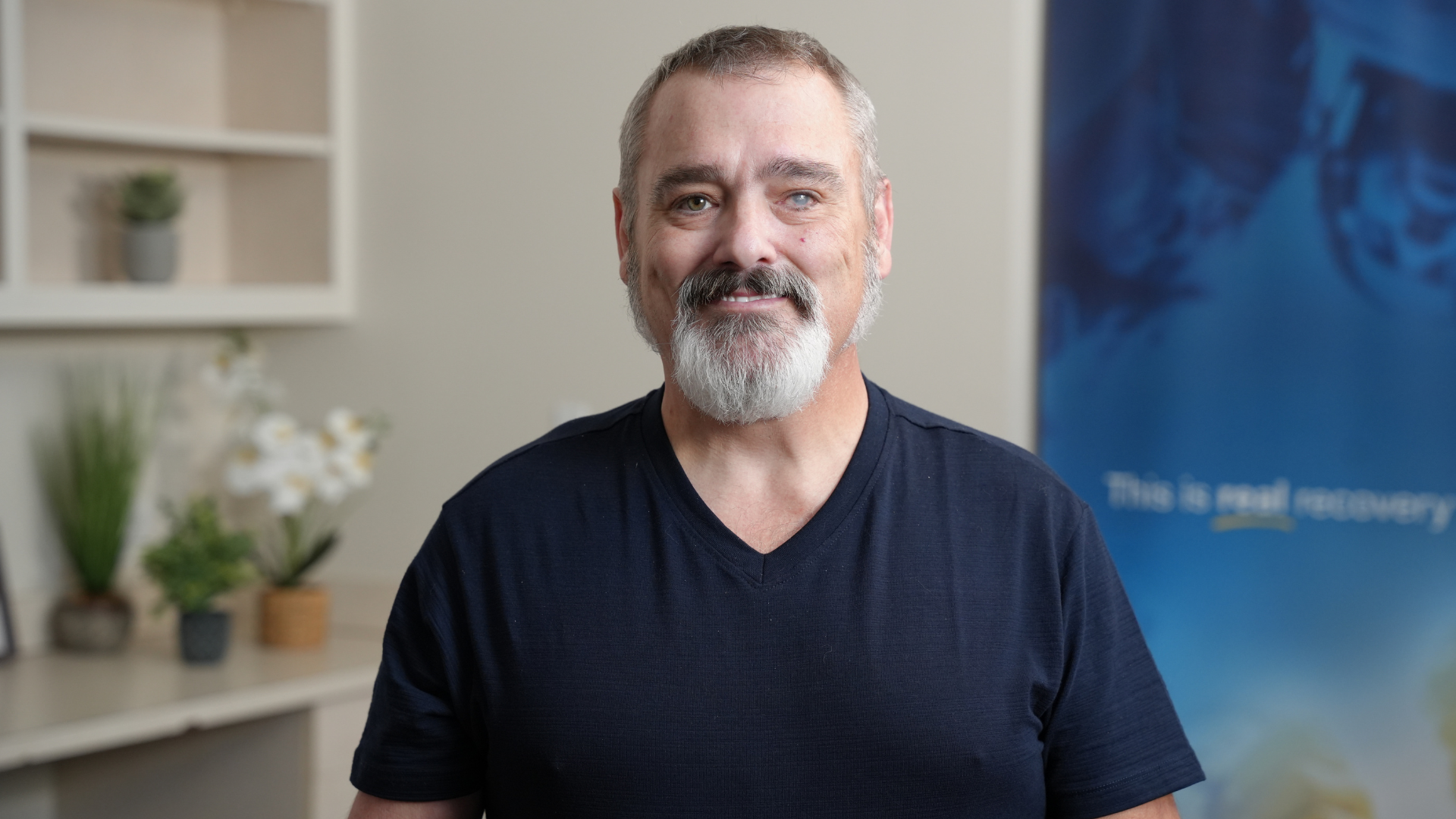
Helping a loved one with substance use disorder can feel overwhelming, but support can make a meaningful difference. In this video, BHG shares practical ways to help a loved one with substance use disorder, including how to offer encouragement and connect them to care.
Taking the first step may feel difficult, but consistent support can help your loved one begin and stay engaged in recovery.
Start with Support and Understanding
Supporting a loved one begins with listening and showing understanding. Substance use disorder is a medical condition and approaching the situation without judgment can help build trust.
This makes it easier for your loved one to feel safe asking for help.
Encourage Treatment and Next Steps
Encouragement plays an important role when you help a loved one with substance use disorder. Gently guiding them toward treatment options can help them take the first step.
Even small conversations can open the door to change.
Set Healthy Boundaries
Supporting a loved one also includes setting clear and healthy boundaries. Boundaries help protect your well-being while still allowing you to provide care and support.
This balance is important for both you and your loved one.
Stay Patient Through the Process
Recovery takes time and progress may not always be linear. Continuing to support someone with substance use disorder requires patience and consistency.
Being present through both challenges and progress can make a lasting difference.