From Working in the ER to Addiction Care: Dr. Melinda Turner’s Journey to Saving Lives at BHG

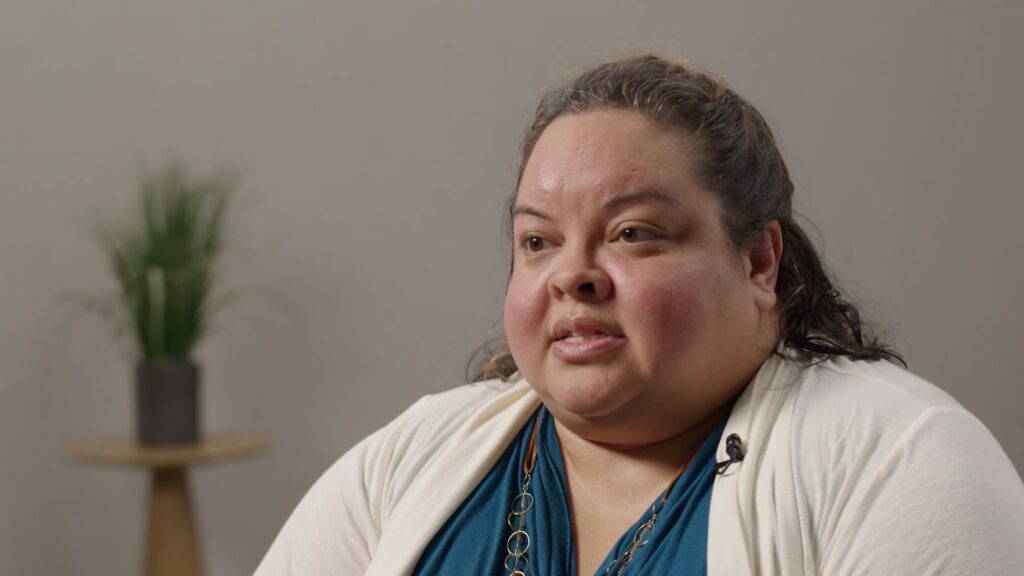
Treating opioid use disorder allows providers to make a lasting impact beyond a single moment of care. In this video, Dr. Melinda Turner shares her journey from working in the emergency room to providing ongoing care at BHG.
She explains how treating opioid use disorder allows her to continue saving lives through compassionate, evidence-based treatment that supports long-term recovery.
From Emergency Care to Ongoing Treatment
Treating opioid use disorder builds on the life-saving work that begins in emergency settings. While emergency care focuses on immediate stabilization, ongoing treatment helps patients continue moving forward.
This transition allows providers to support patients beyond the crisis and into recovery.
Continuing to Save Lives
Opioid use disorder care focuses on supporting patients beyond immediate needs. Providers can track progress, support recovery and help individuals build long-term stability.
This continuity of care creates opportunities for lasting change.
Compassionate, Evidence-Based Care
Providers deliver opioid use disorder care using evidence-based practices and a compassionate approach. Medication, counseling and support services work together to address both physical and emotional needs.
This approach helps patients feel supported and stay engaged in treatment.
Supporting Long-Term Recovery
Opioid use disorder treatment focuses on long-term outcomes. Consistent care and support help patients remain engaged and continue making progress.
This helps individuals move from crisis to stability and recovery.
Making a Meaningful Impact
Providing care for opioid use disorder allows providers to make a meaningful difference in the lives of patients and their families. This work extends beyond clinical care and supports stronger, healthier communities.