How to Enjoy Celebrations and Holidays in Recovery

Celebrations are meant to be joyful – whether they’re holidays, community events or meaningful get-togethers with family and friends. For many people, celebrations or holidays in recovery can still be enjoyable, but they may also bring emotional triggers, changes in routine or social pressure to participate in ways that don’t support well-being. These experiences are common and manageable.
With preparation, clear boundaries and practical coping skills, it’s possible to stay present, connect with others and be confident during these events – without compromising your recovery or health.
Planning Ahead
A little planning can make celebrations and holidays feel more comfortable and enjoyable. Before an event, it can help to think about what to expect – who will be there, how long it may last and what the environment will be like. Having a general sense of the setting can reduce stress and make it easier to stay grounded.

It’s also important to plan how you’ll get there and how you’ll leave. Arranging your own transportation or setting a time limit gives you flexibility and the option to step away if you start to feel overwhelmed. Planning ahead isn’t about limiting yourself – it’s about giving yourself choices that support your recovery.
Setting Boundaries
Setting healthy boundaries can help you feel more at ease during celebrations. This might mean deciding ahead of time what you’re comfortable with and what you’re not. Boundaries aren’t about saying no or distancing yourself from others – they’re about protecting your mental health and well-being so you can fully enjoy the moment.
Saying No Without the Guilt
It’s okay to politely decline or step away from a conversation, even if others don’t fully understand your choice. Having a simple response prepared can make it easier to navigate offers or comments and handle social pressure respectfully. Remember, you don’t owe anyone an explanation – prioritizing your health is reason enough.

BYOB: Bring Your Own Beverages
Bringing your own alcohol-free beverages can make celebrations feel more comfortable and enjoyable, especially for individuals with alcohol use disorder (AUD). Having a drink you like in hand helps you feel included, reduces the risk of relapse and takes the guesswork out of what will be available.
Whether it’s sparkling water, a mocktail or another favorite option, bringing your own non-alcoholic beverages can also reduce pressure and make it easier to stay focused on enjoying the event.
Lean on a Support System
Having support can make a big difference when attending celebrations. If possible, consider attending the celebration or event with a loved one or a friend who understands and supports your recovery. Knowing someone has your back can help you feel more at ease and enjoy the event more fully.
It can also help to check in with someone before or after a celebration. Sharing how it went – whether it felt easy or challenging – can provide reassurance, encouragement and a sense of connection. Recovery isn’t meant to be navigated alone, and support can help celebrations feel more manageable and meaningful.

Handling Potential Challenges
Even with planning and support, challenges can come up during celebrations or events. The key is noticing them early and having a few simple tools you can lean on in the moment.
Identifying Triggers Early
Pay attention to how you’re feeling as the event unfolds. Emotional triggers can show up as stress, irritability or feeling overwhelmed. Recognizing these signs early can make it easier to pause, step away if needed, or reach out for support before things feel harder to manage.
Coping Skills When Cravings Hit
If a craving or urge comes up, grounding yourself can help. You might try taking a few slow breaths, stepping out for fresh air, distracting yourself with conversation or activity to shift your focus, or simply reminding yourself why your recovery matters. Having a few coping skills in mind ahead of time can help you respond with confidence instead of reacting in the moment.
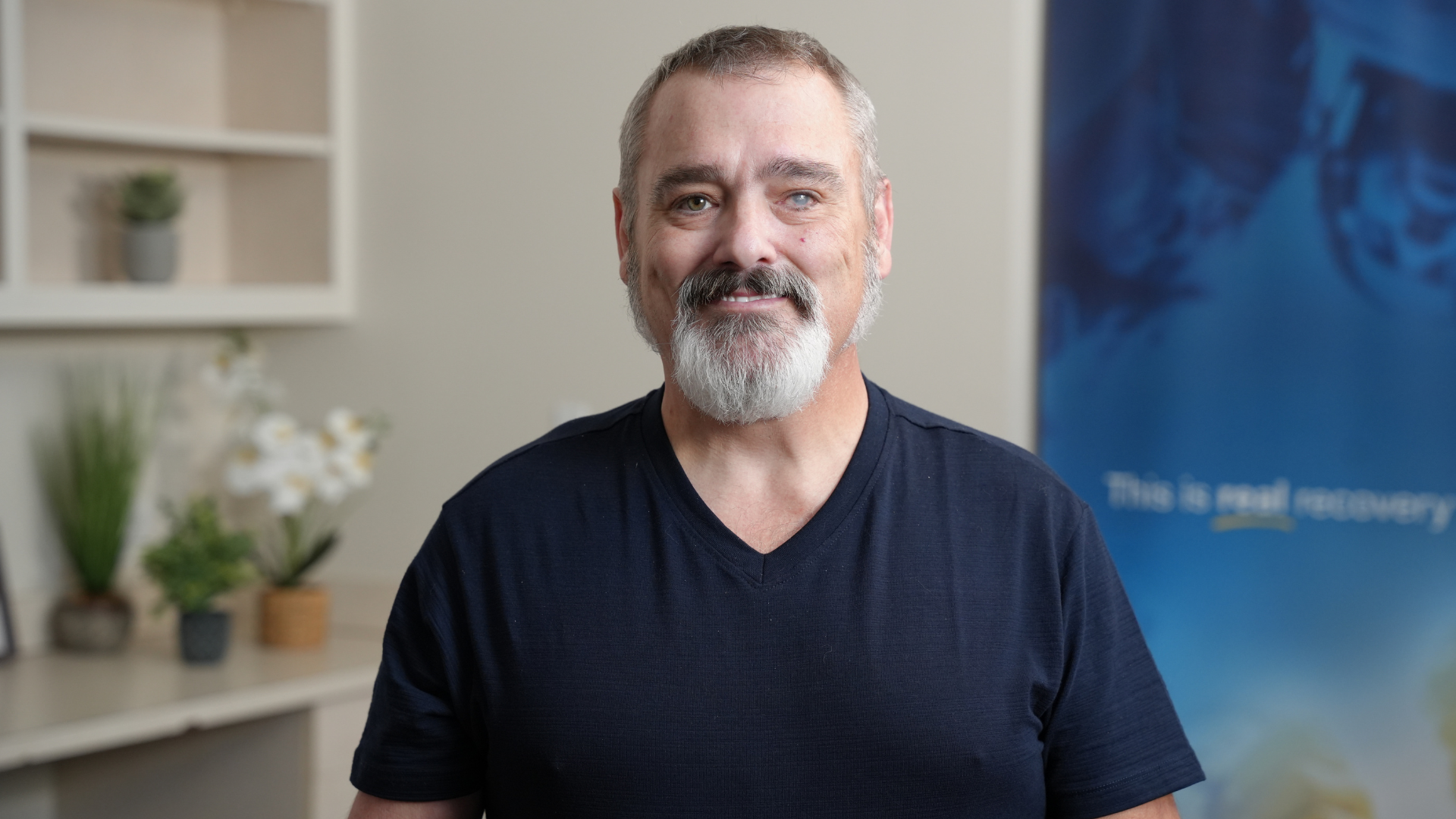
Learn more from our Chief Medical Officer, Dr. Ben Nordstrom on how you can manage triggers and cravings.
Making Celebrations Work for You

Celebrations and holidays don’t have to look a certain way to be meaningful. When you focus on what supports your recovery – whether that’s planning ahead, setting healthy boundaries, leaning on support or using coping skills – you give yourself more freedom to enjoy the moment on your own terms.
Recovery is personal and so is the way you celebrate. By honoring your needs and prioritizing your well-being, you can take part in holidays and special events feeling grounded, supported and true to yourself while continuing to move forward in your recovery.
If you or someone you know are navigating celebrations or holidays in recovery and need extra support, we’re here to help. With more than 110 locations in 20+ states, we offer personalized care that fits into everyday life. Learn more about our outpatient treatment options or find a location near you.
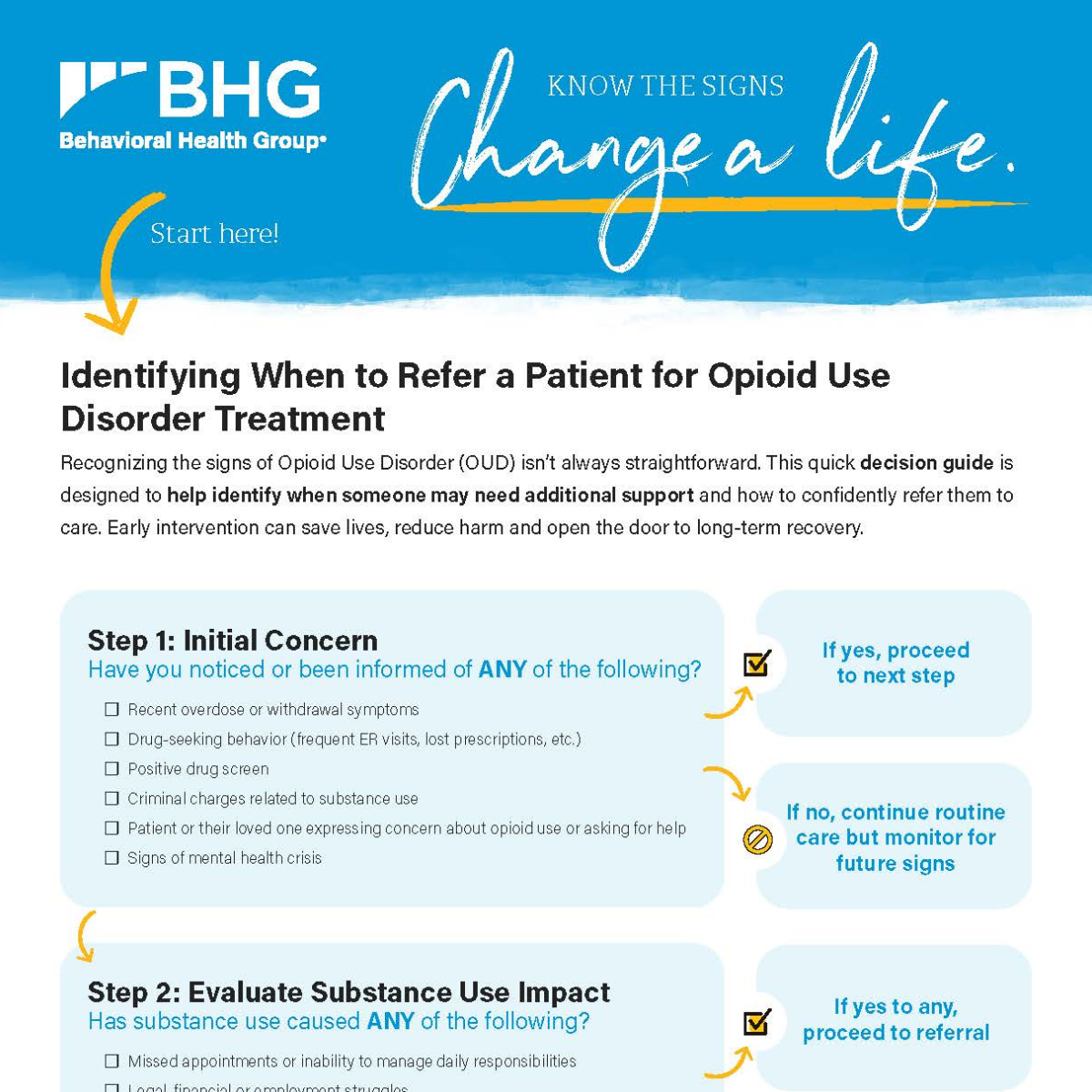
If you’re a healthcare provider or a community partner with a patient who could benefit from treatment, refer a patient today by submitting an online referral or calling our 24/7 referral line to speak with a BHG representative.
© 2026 BHG Holdings, LLC. All rights reserved. Trademarks are the property of their respective owners.
Frequently Asked Questions about Celebrating Holidays or Special Events in Recovery
What should I do if people don’t respect my boundaries during celebrations or holidays?


If someone continues to push after you’ve set a boundary, it’s okay to remove yourself from the situation or change the subject. Protecting your well-being may mean limiting time around certain people or choosing different ways to celebrate.
How can I explain my choices without sharing personal details?
You can keep responses simple and general, such as saying you’re focusing on your health or prefer not to drink. You’re never required to explain your recovery or justify your decisions to others.
What if I feel emotional or drained after a celebration?
It’s common to feel emotionally tired after social events, especially during busy or high-stress times. Taking time to rest, reflect or check in with a supportive person afterward can help you reset and care for yourself.
How can I create new traditions that support my recovery?
Start by thinking about what feels meaningful and supportive to you now, rather than what past celebrations looked like. You might choose to host smaller gatherings or plan new traditions around connection, service or self-care. Creating new traditions can be as simple as giving yourself permission to celebrate in ways that reflect your values and support your well-being.
How can I support a loved one who is in recovery during holidays or celebrations?
Respecting boundaries, offering non-alcoholic options and checking in before or after events can make a difference. Support often means listening and being flexible rather than trying to “fix” anything.
How can a recovery plan help prevent relapse during holidays or celebrations?
Having a recovery plan can help you feel more prepared during holidays and celebrations and reduce the risk of relapse. A plan helps you identify triggers, outline coping strategies and know who to reach out to if things feel overwhelming. Check out our Empowerment Toolkit that includes a recovery plan worksheet and affirmations designed to help people in recovery feel empowered, focused and support, especially during stressful or high-risk moments.