BHG Medical Directors Series: Dr. James Harber | South Carolina

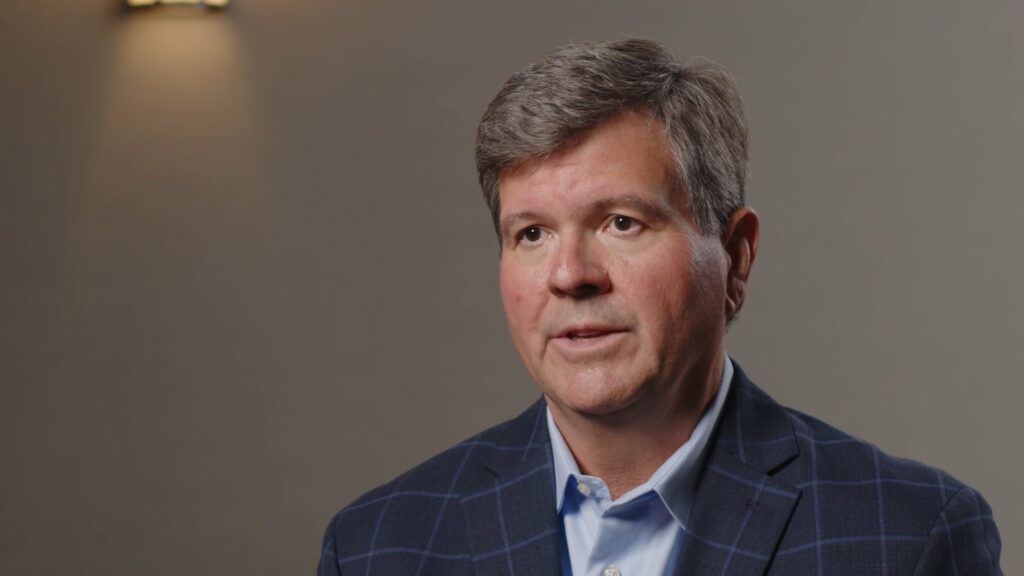
IEvidence-based opioid use disorder treatment helps individuals begin recovery and build long-term stability. In this video, Dr. James Harber shares his perspective on delivering patient-centered care for individuals with opioid use disorder in South Carolina.
He discusses the role of medication-assisted treatment, the importance of compassionate care and how evidence-based approaches support meaningful progress in recovery.
The Value of Evidence-Based Opioid Use Disorder Treatment
Evidence-based opioid use disorder treatment uses proven methods to support recovery. These approaches combine medication, counseling and supportive services to address both the physical and emotional aspects of care.
This model helps patients stabilize and remain engaged in treatment over time.
The Role of Medication in Treatment
Medication-assisted treatment plays an important role in evidence-based opioid use disorder treatment. Providers use medication to help reduce cravings, manage withdrawal symptoms and support stability.
This allows patients to focus on recovery and continue making progress.
Delivering Patient-Centered Care
Patient-centered OUD care focuses on understanding each individual’s needs, goals and stage of recovery. Providers work closely with patients to create treatment plans that support long-term success.
This approach helps patients feel respected, supported and engaged in their care.
Supporting Long-Term Recovery
Evidence-based opioid use disorder treatment supports long-term recovery by combining clinical care with ongoing support. Patients receive consistent guidance and care throughout their recovery journey.
This helps build stability and supports continued progress over time.
Creating a Supportive Care Environment
A supportive clinical environment helps patients feel comfortable and engaged in treatment. Compassion, respect and consistency are key components of effective care.
This environment encourages patients to remain in treatment and continue moving forward.