Protect Yourself in the Sun: Why Sun Protection During Recovery Supports Skin Health
Sun protection during recovery is a simple but powerful form of self-care. Learn why skin safety matters and how to build healthy habits.

Recovery is about healing your body and mind. Spending time outdoors can support mood, movement and a healthier routine, but unprotected sun exposure can also cause real harm. Sun protection during recovery is a simple way to care for your skin, protect your physical health and build daily habits that support long-term wellness.
Why Sun Protection During Recovery Matters
Physical health and addiction recovery are connected. When you are working toward stability, your body is already doing a lot of healing. Protecting your skin from UV damage is one way to reduce unnecessary stress on your body and support whole-person wellness. Here are a few ways sun protection matters and how it can support your health during recovery.
It Helps Your Skin Heal and Stay Healthy
Your skin is your body’s largest organ and it plays an important role in protecting you. Sunburn causes inflammation, discomfort and stress on the body, which can make it harder to feel your best.
When you protect your skin, you remove one burden your body does not need. This can be especially helpful when you are building new routines around sleep, nutrition, movement and recovery support.
It Lowers Your Risk of Skin Cancer
Too much ultraviolet, or UV, light can increase your risk of skin cancer. According to the American Cancer Society on UV radiation, most skin cancers are caused by too much UV exposure from the sun or tanning beds.
Skin cancer prevention and recovery can work together through simple habits. Wearing sunscreen, staying in the shade and avoiding tanning beds are practical ways to lower your UV exposure over time.
It Prevents Early Aging and Skin Damage
UV rays can affect the way your skin looks and feels. Over time, too much sun exposure can contribute to wrinkles, dark spots, rough texture and loss of firmness.
Protecting your skin can support confidence, comfort and motivation. Feeling better in your body can be one more reminder that your recovery is worth caring for each day.
It Protects Your Eyes
Sun protection is not only about your skin. UV exposure can also affect your eyes over time, including increasing the risk of cataracts. Wearing sunglasses that block both UVA and UVB rays is a simple habit that protects your eyes while you spend time outdoors.

Smart Sun Protection Habits to Build in Recovery
Sun safety habits for recovery should feel realistic and repeatable. You do not need a perfect routine. You just need simple steps you can come back to each day.
Wear Sunscreen Every Day
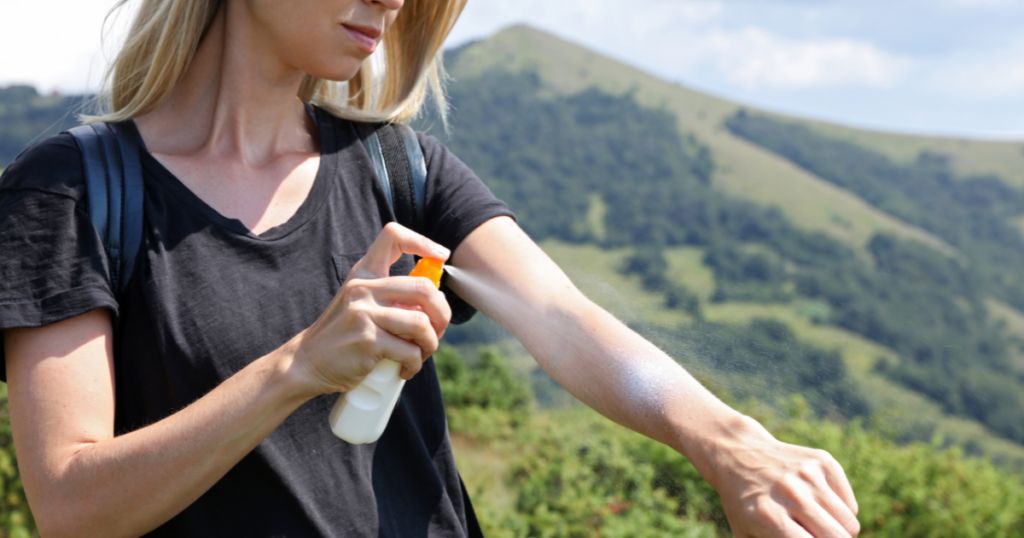
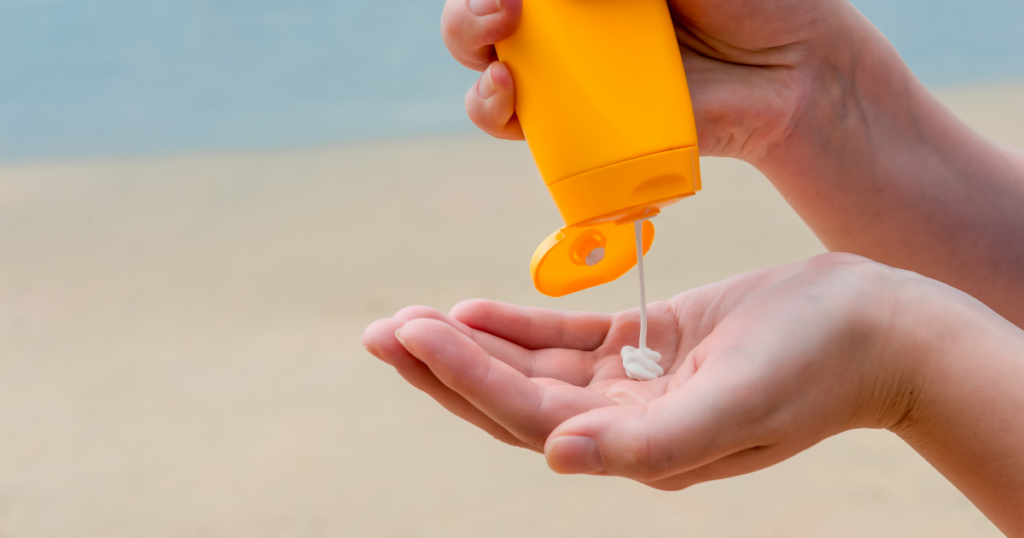
Use a broad-spectrum sunscreen with SPF 30 or higher. Apply it before going outside and reapply every two hours, especially after swimming or sweating.
Do not forget commonly missed areas like your ears, neck, hands and the tops of your feet. SPF sunscreen tips for recovery are most helpful when they become part of your normal morning routine, just like brushing your teeth or taking medication as prescribed.
Dress for Protection
Clothing can add another layer of UV protection and wellness. Long sleeves, lightweight pants, wide-brimmed hats and UV-blocking sunglasses can help protect your skin and eyes.
If you are spending a lot of time outdoors, look for clothing with a UPF (Ultraviolet Protection Factor) label. UPF clothing is designed to block more UV rays than regular fabric.
Stay in the Shade During Peak Hours
The sun is strongest between 10 a.m. and 4 p.m. When possible, choose shade during those hours. Trees, covered patios, umbrellas and shaded walking paths can all help reduce direct exposure.
This does not mean you have to avoid the outdoors. It simply means planning ahead so time outside supports your wellness instead of leaving you burned, overheated or uncomfortable.
Watch Out for Reflective Surfaces
Water, sand, snow and concrete can reflect sunlight and increase UV exposure. You may need protection even when you are near a pool, walking on pavement or spending time at the beach.
Cloudy days can also be misleading. The Skin Cancer Foundation notes that many UV rays can still penetrate cloud cover, which means sun protection is important year-round, not just on bright summer days.
Make Sun Safety a Daily Habit
Consistency matters in recovery and it matters for skin health too. Try keeping sunscreen near your toothbrush, by the door or in your bag so it is easier to remember.
Small, repeatable actions can build a foundation for long-term health. When you practice sun protection during recovery, you are also practicing follow-through, self-respect and care for your future.
Things to Avoid When It Comes to Sun Exposure
Sun protection does not have to feel complicated. A few simple choices can help you avoid common habits that increase UV exposure.
Skipping Sunscreen on Cloudy Days
Clouds do not fully block UV rays. Even if the weather feels cool or overcast, your skin can still be exposed. Apply sunscreen before outdoor time regardless of the forecast.
Using Tanning Beds
Tanning beds expose your skin to strong UV rays. Avoiding tanning beds is a straightforward way to reduce skin damage and lower your risk of skin cancer.
If you want a sun-kissed look, consider a sunless tanning product instead. It can offer color without UV exposure.
Being Inconsistent
Sun protection works best when it becomes routine. Even one sunburn can damage the skin, so steady protection matters more than occasional effort.
Recovery often teaches the value of consistency. The same idea applies here: small choices made regularly can add up.
Using Expired Sunscreen
Sunscreen can lose effectiveness over time. Check the expiration date on the bottle and replace it when needed.
If your sunscreen has changed color, texture or smell, it is safer to get a new one. Keeping a fresh bottle on hand makes it easier to stay prepared.
Is Self-Care Part of Addiction Recovery?
Yes. Self-care is part of addiction recovery because recovery involves caring for your whole self, not only avoiding substance use. Healthy routines can support emotional balance, physical wellness and confidence.
Self-care in recovery can include attending appointments, getting enough rest, staying connected to support, eating regularly and protecting your skin from the sun. These habits may seem small, but they can help you feel more stable and grounded.
If mental health symptoms are also part of your recovery, support may include care for co-occurring disorders and recovery. Addressing emotional and physical wellness together can make recovery feel more supported.
Sun Protection Is Self-Care
Sun protection is a practical form of self-care because it helps protect your body while reinforcing healthy routines. It is not about doing everything perfectly. It is about choosing small actions that support your well-being.
Recovery involves caring for your mind, body and daily life. Wearing sunscreen, using shade and dressing for protection are simple ways to show yourself care. These habits also connect to the broader support available through counseling and support services, recovery planning and whole-person care.
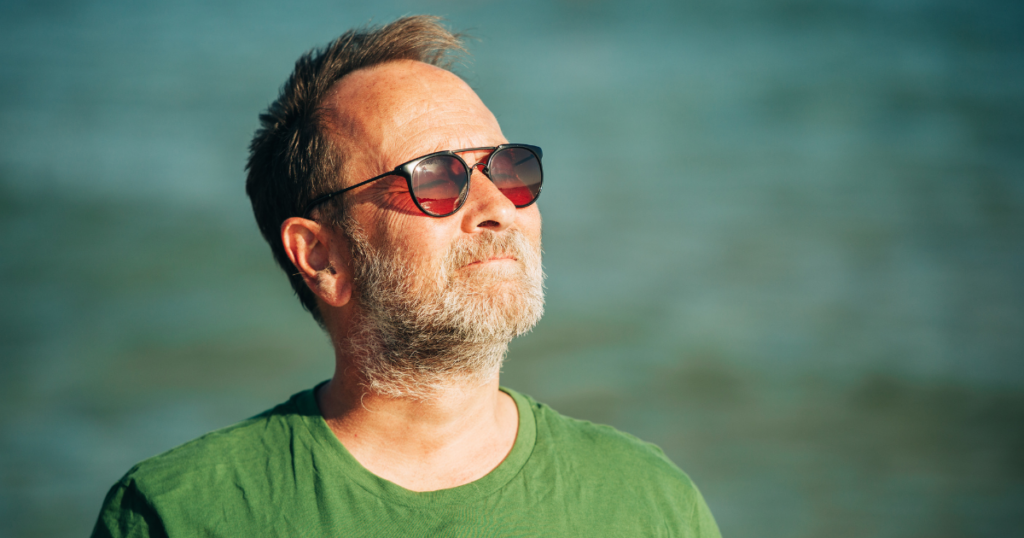
Taking Care of Your Skin Supports Your Recovery
Learning how to protect your skin in recovery is one more way to care for your future. You do not have to change everything at once. Start with one simple habit, like applying sunscreen in the morning or keeping sunglasses in your bag.
Over time, these small choices can become part of a healthier routine. They can help you feel more prepared, more confident and more connected to your recovery goals.
If you or someone you know is struggling with opioid or other substance use disorders, BHG is here to help. Call 844-535-7291, find a BHG treatment center near you or schedule an appointment today. For health providers and other community partners looking to make a referral, call 866-763-2244 or submit an secure online patient referral form.
Take Sun Safety With You
Download our free Protect Yourself in the Sun flyer for a quick, easy reference you can keep on hand every day.
Frequently Asked Questions About Sun Safety and Protection During Recovery
Why does sun protection matter during recovery?


Sun protection matters during recovery because physical wellness supports the healing process. Protecting your skin from UV damage can help you avoid sunburn, discomfort and long-term skin damage while building healthy self-care habits.
How does sun damage affect healing?
Sun damage can cause inflammation, irritation and stress on the body. When your body is already working to heal, protecting your skin can help reduce unnecessary strain and support overall wellness.
What are the best sun protection habits for people in recovery?
The best habits include wearing broad-spectrum SPF 30 or higher, reapplying sunscreen every two hours, wearing protective clothing, using sunglasses, seeking shade and avoiding tanning beds.
What should I avoid when it comes to sun exposure?
Avoid skipping sunscreen on cloudy days, using tanning beds, staying in direct sun during peak hours when possible and using expired sunscreen. Consistent protection is the goal.