From Pain to Purpose: William’s Recovery with Opioid Addiction Treatment
William found hope through Suboxone and counseling at BHG. His story shows that recovery is real and possible.

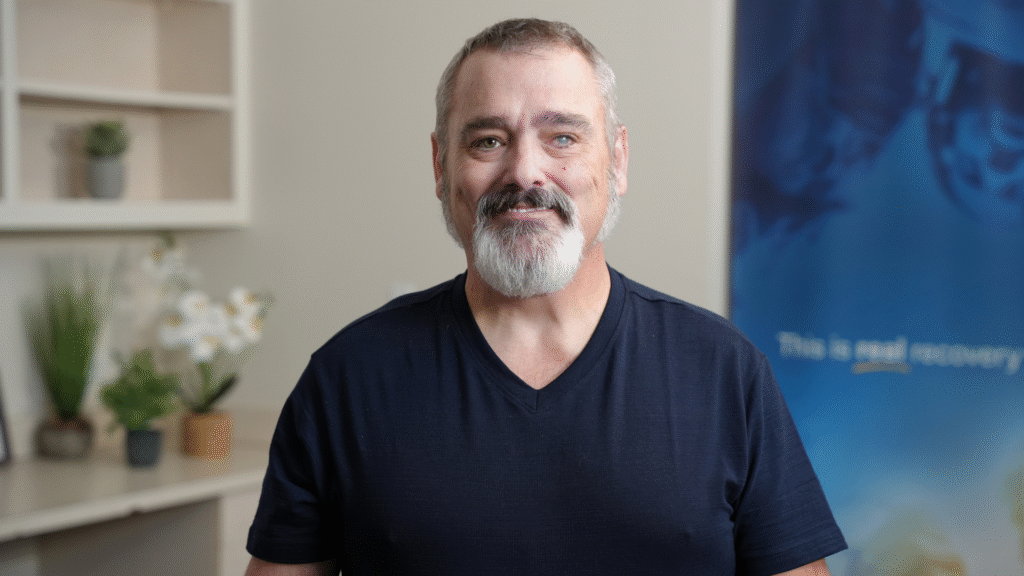
William shares how Suboxone treatment and counseling at BHG Nashville Treatment Center helped him rebuild trust, find hope and live in long-term recovery.
For many people, addiction doesn’t start with a single choice. It often begins with life experiences—pain, loss, or trauma—that are too heavy to carry alone. Childhood challenges, family struggles or even a prescription after surgery can open the door to substance use.
That’s what happened to William of Warren, Arkansas. Both joy and hardship shaped his early life. So how did Behavioral Health Group (BHG) help him move from pain to purpose? His story shows that with the right support, recovery is real and possible.
Growing Up in Arkansas
William grew up in a small town in southern Arkansas known for its tomato farms. He describes his childhood as a mix of warmth and hardship.
“I was a big Razorback fan, always fishing, camping and spending time outside,” he remembers. “It was a good life in many ways. But I also saw things no child should have to see.”
His parents divorced when he was very young and his mother endured years of domestic violence and abuse from partners.
When he was in high school, tragedy struck again. William came home one day to find that his father had died by suicide.
“Finding him like that really messed me up for a long time. That’s something no child should ever have to see or live through.”
Early Struggles With Substance Use
To cope with the pain, William turned to alcohol and marijuana. By college, he had started experimenting with cocaine and acid.
“I was just trying to kill whatever pain was there and forget what I had seen,” he explained. “At first, it was just partying, but it grew into something darker.”
He cycled through several treatment programs over the years, but recovery seemed out of reach. Still, William kept fighting, trying to find his footing.
How Prescription Painkillers Led to Opioid Addiction
Years later, after undergoing a double hip replacement surgery in 2019, William was prescribed opioids for pain management.
“At first, it was the best thing I’d ever seen,” he said. “It took away my pain, made me feel euphoric and gave me energy. But soon, all I thought about every day was how I was going to get the next pill. Where to get it, how much it was going to cost and if I’d get sick without it. That’s all my life became.”
The dependency deepened quickly. When his prescriptions ran out, he turned to the streets. “I did anything I could to get the next pill. It consumed me.”
Reaching the Breaking Point
The cycle left William exhausted—physically, mentally and emotionally.
“There were times where I was suicidal,” he admitted. “That really woke me up. My father died that way and the thought of putting my family through that again scared me to death. I knew I had to get help.”
But asking for help wasn’t easy.
“Walking into treatment is terrifying. You don’t know if people are going to judge you. You don’t know if you’ll be turned away.”
Finding Hope at BHG
Later in 2019, a friend suggested William look into Behavioral Health Group in Nashville, TN. It changed his life.
“They treat you like a human being—not just someone with addiction,” William said. “The doctors and staff brought me in with open arms. I felt like I’d known them my whole life.”
That kind of compassion mattered. Like many people with substance use disorder, William carried the weight of stigma—being labeled, judged, or misunderstood.
“For years, I thought people only saw me as an addict,” he explained. “At BHG, I was treated with respect. That gave me the confidence to keep going.”
At BHG, William began a treatment plan that included medication-assisted treatment (MAT) with Suboxone, counseling and ongoing support. MAT is an evidence-based approach shown to reduce opioid cravings and withdrawal symptoms, while counseling helps patients develop the coping skills needed for long-term recovery.
“Being on Suboxone has helped me tremendously,” he explained. “My anxiety, depression and cravings are gone. It’s the best thing that’s ever happened to me.”
Because addiction and mental health challenges often go hand in hand, William encourages others to seek resources that address both. The National Alliance on Mental Illness (NAMI) offers education and support for individuals and families facing substance use disorders alongside co-occurring conditions like anxiety and depression.
Rebuilding Trust and Family Connections
Recovery gave William something he once thought was lost: trust.
“Having my family’s trust back is the best feeling in the world,” he said. “When you lose trust like that, everything slows down. Getting it back through BHG was the cure I needed.”
Today, William lives with his sister and her family, a supportive environment that helped him heal after past trauma. He works at a grocery store, where his customer-friendly personality makes him a favorite among shoppers.
“I don’t think I’ve ever met a stranger,” William laughed. “I love talking to people. Work gives me joy and purpose.”
Lessons From Recovery
Counseling provided William with tools that he still uses today, particularly the importance of setting boundaries.
“Boundaries are huge,” he said. “With family, friends and work, you’ve got to set them. That’s what keeps me on track.”
He also continues to attend AA meetings and stays connected with his sponsor. These ongoing supports help him remain grounded and accountable.
Resilience Through Trauma
William’s journey wasn’t without other obstacles. In 2016, before he began treatment, he was attacked during a carjacking. The assault left him blind in one eye and required multiple surgeries.
“Most people thought that would send me back to drugs,” he said. “But instead, it made me more grateful for what I had. I realized I could still live a full life.”
Despite these challenges, William has not relapsed. He says he wakes up every day with gratitude. “I go to bed with a smile on my face and wake up with one, too. That’s how much life has changed.”
A Message of Hope for Others
William’s advice for anyone struggling with substance use disorder is simple but powerful:
“Don’t give up. Please don’t give up,” he said. “If treatment doesn’t work the first time, go back. You can be happy. Life after addiction is full—family, work, everything. It works, if you work at it.”
He also wants people to know that stigma should never stop them from reaching out. “A lot of people are scared of what others might think,” William said. “But asking for help is the strongest thing you can do.”
William has now been in recovery for six years. He credits BHG for helping him find stability, joy and purpose again.
“They’re the best,” he said. “I’m in a great place now and it’s all because of them.”
Take the Next Step Toward Recovery
If you or someone you love is struggling with opioid addiction, you are not alone—and help is available today.
Call us now at 844-535-7291 to speak with a caring team member or find a BHG treatment center near you to start your recovery journey.
Healthcare providers or other referring partners can refer a patient by calling 866-763-2244 or submitting an online referral form.
Recovery is possible. William’s story is proof that healing, hope and a full life after addiction are within reach. Take the first step today.
Frequently Asked Questions About Opioid Addiction Treatment in Nashville, TN
What is Suboxone and how does it help in recovery?


Suboxone (a combination of buprenorphine and naloxone) is an FDA-approved medication used to treat opioid use disorder. It helps reduce withdrawal symptoms and cravings. At BHG, Suboxone treatment is combined with counseling that helps patients focus on rebuilding their lives.
Can I start treatment if I live in a rural area of Nashville?
Yes. BHG has multiple treatment centers across the Nashville area. Our staff helps patients overcome barriers such as access to care or scheduling in rural communities. Many BHG locations also offer telehealth options and take-home medications to make treatment more convenient.
How does BHG treat co-occurring disorders like mental health conditions and substance use together?
Addiction and mental health often go hand in hand. At BHG, we recognize that co-occurring disorders—when mental health conditions such as anxiety, depression, or trauma occur alongside substance use disorder—require integrated treatment. Our whole-patient approach combines FDA-approved medications for opioid use disorder (MOUD) with counseling and behavioral health support, ensuring both mental health and substance use are addressed at the same time. This comprehensive care helps patients achieve lasting recovery and improved quality of life.
What if I’ve tried other programs before?
Recovery isn’t always a straight path and it’s common for y people to try treatment more than once. At BHG, relapse is never treated as a failure—it’s seen as an opportunity to re-engage with care and strengthen your recovery plan. Our compassionate team works with you to adjust your treatment so it meets your needs today.
Does BHG accept Medicaid for recovery in Nashville?
Yes. BHG accepts Medicaid, Medicare and most commercial insurance plans. For those without coverage, we also offer grants, where available, and self-pay options. Cost should never be a barrier to treatment.