


Understanding Kratom and 7-OH
What Is Kratom?
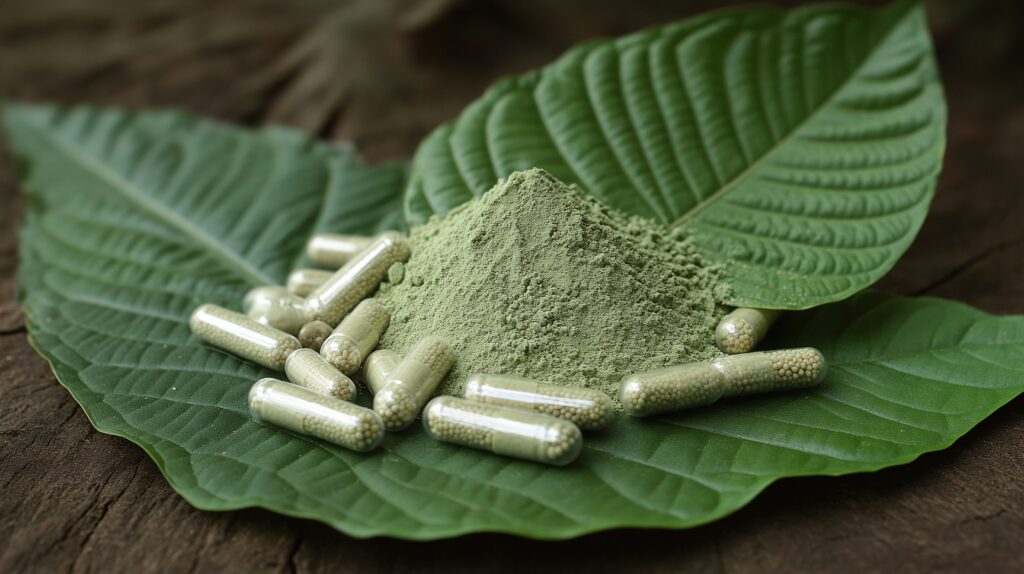
Kratom is an herbal substance derived from the leaves of a tree native to Southeast Asia. It has been used traditionally for its stimulant and pain-relieving effects. In the U.S., kratom is often marketed as a natural supplement for energy, mood improvement or pain relief. While some people use kratom for self-treatment of pain or opioid withdrawal, it can be addictive and lead to serious health risks when misused. At BHG, we provide compassionate, evidence-based care for individuals struggling with kratom use disorder.

What Is 7-OH?
7-OH, or 7-hydroxymitraginine, is similar to mitragynine, the active ingredient in kratom. The kratom plant produces 7-OH, but the liver also metabolizes mitragynine into this chemical. It may be more potent than mitragynine and is increasingly sold on its own.
Why Kratom Is Dangerous
Kratom interacts with the brain’s opioid receptors, producing effects similar to opioids and stimulants. At low doses, it can increase alertness and energy, while higher doses may cause sedation and euphoria.
Over time, regular use can lead to tolerance, dependence and withdrawal symptoms such as irritability, muscle aches and cravings. In some cases, kratom use has been linked to seizures, liver damage and even overdose—especially when combined with other substances.
Treatment and Support for Kratom Addiction
People affected by Kratom misuse often turn to it for pain management or to cope with stress. But dependence can develop quickly. The good news: recovery is possible with professional support and evidence-based treatment.
BHG offers a full spectrum of services for kratom and other addictions we treat, including medications for opioid use disorder (MOUD), counseling and our Intensive Outpatient Program (IOP).

What is MAT for Kratom Addiction?
Although no FDA-approved medications exist specifically for kratom, MAT protocols for opioid use disorder can be adapted to treat kratom withdrawal and cravings effectively.
These treatments are combined with counseling and behavioral support to address the whole person.
How MAT Supports Kratom Recovery
Kratom withdrawal can involve both physical symptoms—like nausea and fatigue—and emotional challenges like anxiety or irritability. MAT helps manage these symptoms, reduces relapse risk and provides structure through therapy and peer support. Patients gain clarity and strength to move forward without relying on substances.
The BHG Difference in Kratom Treatment
As use of kratom increases, so does the need for knowledgeable, compassionate care. BHG offers expert treatment plans tailored to kratom-related dependence, using a blend of medical care and behavioral therapies. Whether you’re seeking help for yourself or a loved one, we offer flexible programs and real support for lasting change.

Frequently Asked Questions About Kratom
Is Kratom addictive?


Yes. Kratom interacts with the brain’s opioid receptors, which can lead to tolerance, dependence and withdrawal symptoms when use is reduced or stopped. Many people who begin using Kratom for pain or energy find it difficult to quit without support.
Is Kratom legal?
Kratom is currently legal at the federal level in the U.S., but several states and local jurisdictions have banned its sale or use due to safety concerns. Regulations may change over time as more research emerges.
Can you overdose on Kratom?
Yes. High doses of Kratom or combining it with other substances, such as opioids, alcohol or sedatives, can increase the risk of overdose, slowed breathing, seizures or even death.
How do I know if I need treatment for Kratom use?
If you experience cravings, withdrawal symptoms, or find it difficult to stop using Kratom despite negative effects, it may be time to seek professional help. BHG offers assessments and evidence-based care to help individuals and families move toward recovery.