


Understanding Heroin
What is Heroin?
Heroin is an illegal opioid made from morphine, a natural substance taken from the seed pod of the opium poppy plant. It is usually injected, smoked or snorted and acts quickly in the brain to create a short, intense “high.” As part of our comprehensive treatment, BHG provides evidence-based heroin addiction treatment that combines medical and behavioral care. With the right treatment and support, recovery is possible.
Why Heroin is Dangerous
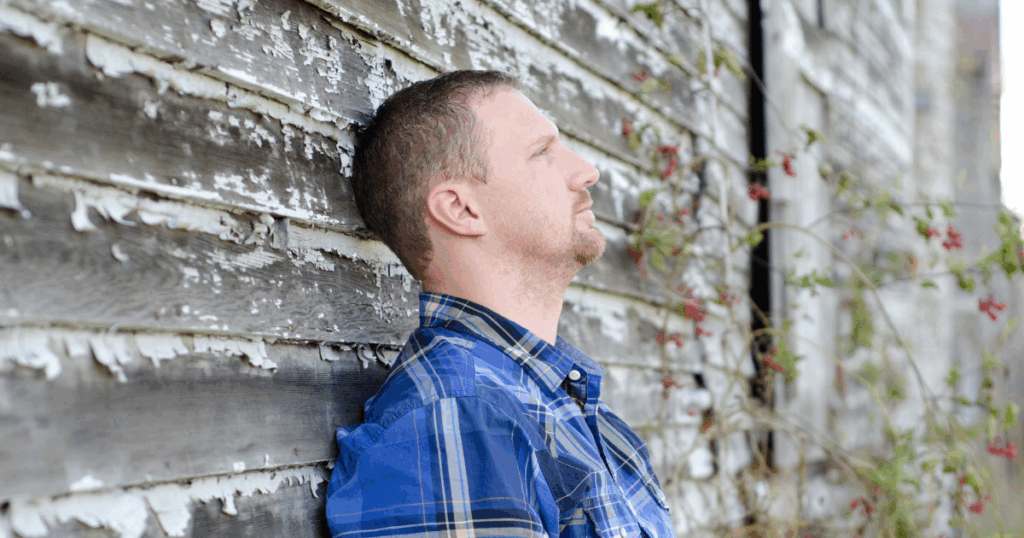
Heroin is highly addictive and often mixed with fentanyl or other substances, increasing the risk of overdose. Regular use changes how the brain works, leading to strong cravings and painful withdrawal symptoms. Overdose can slow or stop breathing and become life-threatening within minutes.
These dangers underscore the need for heroin addiction treatment that goes beyond willpower and focuses on medical care and long-term recovery.

Treatment and Support for Heroin Use
People affected by heroin use are not alone. Many enter treatment with concerns about withdrawal, relapse or overdose. The good news: recovery is possible with evidence-based care and the right support.
BHG offers a full spectrum of services for heroin and other addictions we treat, including medication-assisted treatment (MAT) (combining medications for opioid use disorder, counseling and other support services) and our Intensive Outpatient Program (IOP).
What is MAT for Heroin Addiction?
Medication-Assisted Treatment (MAT) uses medications like methadone, buprenorphine or naltrexone to reduce withdrawal and cravings. This gives individuals space to focus on healing—both physically and emotionally.
Counseling and behavioral therapy enhance the medical approach, supporting whole-person recovery.

How MAT Supports Heroin Recovery
Recovery from heroin isn’t just about stopping use—it’s about rebuilding your life. MAT helps stabilize brain function, reduce relapse risk and restore emotional balance. Combined with therapy, support groups and resources for daily challenges, MAT gives patients a strong foundation for long-term success.
The BHG Difference in Heroin Treatment
Heroin addiction often comes with years of trauma, stigma and instability. BHG provides compassionate, nonjudgmental care with a focus on trust and long-term healing. Our customized treatment plans combine medical care with wraparound support, including IOP options and peer support that meet patients wherever they are in recovery.