


Meeting the Addiction Crisis with Evidence-Based Treatment
Substance Use Disorder (SUD), commonly referred to as addiction, remains one of the most pressing behavioral health challenges in the United States. In 2024, 48.4 million people aged 12 or older were living with SUD—an overwhelming national health burden that touches every community, family and region.1
Yet behind these numbers lies a deeper crisis: people are struggling in silence, going untreated, or relying on systems not designed to deliver long-term recovery support. BHG helps close that gap with personalized, whole-person care for opioid addictions—including fentanyl, heroin, kratom and prescription pain medications. Addiction is a medical condition and with the right support, recovery is possible.

Clinical Solutions for Opioid Use Disorder
What is Opioid Use Disorder Treatment?
Opioid Use Disorder (OUD) is a chronic medical condition caused by changes in the brain from repeated opioid use. Treatment goes beyond “just stopping.” It combines FDA-approved medications, counseling and supportive care to reduce cravings, ease withdrawal and help patients rebuild their lives.
At BHG, we specialize in evidence-based opioid treatment that meets patients where they are and supports long-term recovery.
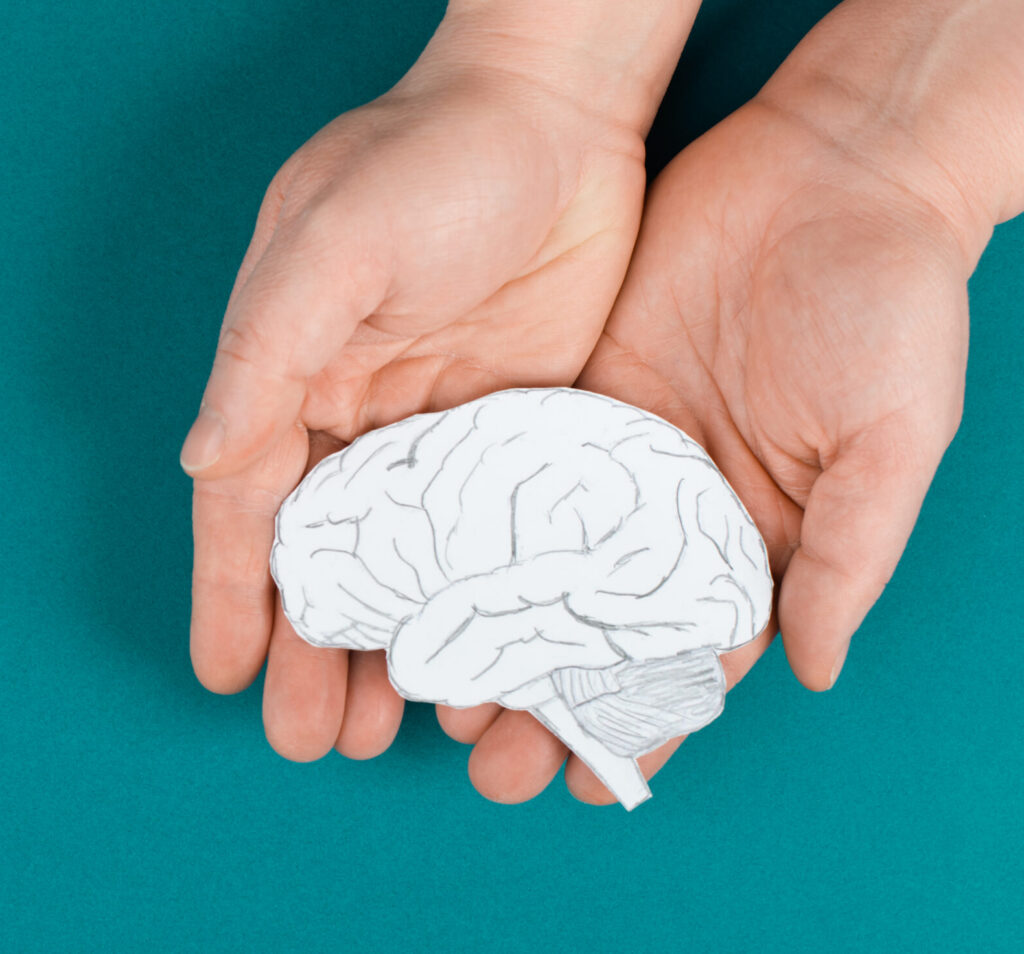


Evidence-Based Treatment for Addiction
Substance Use Disorders commonly referred to as “addiction” are real medical disorders and need real treatment.
If you or your loved one is struggling with opioid use disorder or other substance use challenges, recovery is possible. We provide care for the following:
Opioid Use Disorder (OUD)
Evidence-based treatment for opioid addiction using medications for opioid use disorder (MOUD), including methadone, buprenorphine and naltrexone.
Fentanyl
Care for patients affected by fentanyl, a highly potent opioid linked to rising overdoses.
Heroin
Treatment for heroin dependence, including withdrawal management and relapse prevention.
Prescription Opioids
Support for patients dependent on pain medications such as oxycodone, hydrocodone, morphine or codeine.
Kratom and 7-OH
Safe, evidence-based care to help patients taper off kratom and regain stability in their recovery.
Tianaa/Tianeptine
Specialized treatment for Tianaa/Tianeptine dependence, including medically supervised withdrawal management and long-term relapse prevention planning.
Co-Occurring Mental Health
Integrated care for patients managing both addiction and mental health conditions like depression, anxiety, PTSD or bipolar disorder.
Special Populations
Programs are designed for pregnant patients (safe treatment during pregnancy) and veterans with unique recovery needs.
Why Opioid Addiction Requires Specialized Care
Opioids attach to receptors in the brain that control pain, pleasure and reward. Over time, this changes brain chemistry—making it difficult to stop without medical support.
Opioids are involved in nearly 76% of all overdose deaths in the U.S.2, underscoring the need for specialized, whole-person treatment. BHG addresses both the physical and emotional sides of opioid addiction through medications for opioid use disorder (MOUD), counseling and support services.

How Our Treatment Helps
Our integrated care model is designed to support stability and long-term recovery:
Medications for Opioid Use Disorder (MOUD)
Proven medications like methadone, buprenorphine or naltrexone to reduce cravings and stabilize brain chemistry
Counseling & Support
Tools to manage stress, triggers and emotions
Support Services
Support with health, housing, work and relationships
Intensive Outpatient Programs (IOPs)
Recover with the intensity and support of an inpatient program but the flexibility of continuing to live at home and carry on your daily responsibilities
Hope for Recovery
Millions of people have successfully rebuilt their lives after substance addiction. With the right treatment and support, recovery is possible. At BHG, we meet patients where they are and help them take the next step toward a healthier, more stable future.

1 Source: Substance Abuse and Mental Health Services Administration (SAMHSA). 2024 National Survey on Drug Use and Health (NSDUH) Annual National Report. U.S. Department of Health and Human Services, 2024. Available at: https://www.samhsa.gov/data/report/2024-nsduh-annual-national-report
2 Source: Centers for Disease Control and Prevention. (2025). Understanding the opioid overdose epidemic. U.S. Department of Health & Human Services. https://www.cdc.gov/overdose-prevention/about/understanding-the-opioid-overdose-epidemic.html