


Pregnant Patients
Pregnancy & Addiction Treatment
At BHG, we believe every mother deserves compassionate, judgment-free care. Our Pregnancy Program offers evidence-based medication-assisted treatment (MAT), prenatal support, and counseling to protect your health and your baby’s future
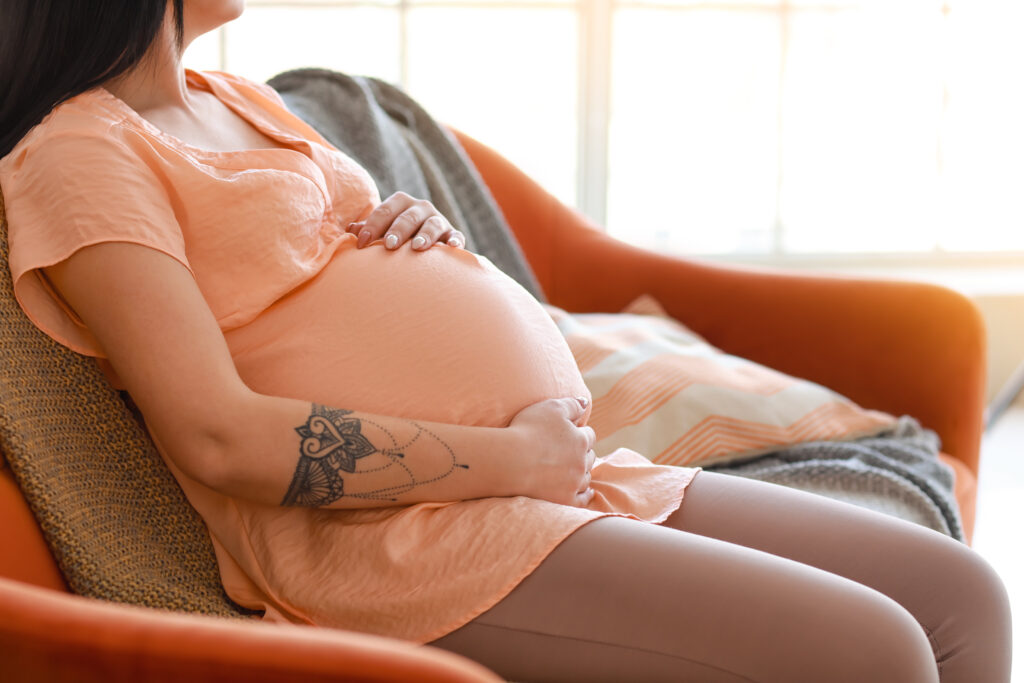
Supporting Mothers. Protecting Babies.
Pregnant women with opioid use disorder face unique health risks.
Our program is designed to help reduce these risks through safe, evidence-based, patient-centered treatment.


Why Specialized Care Matters During Pregnancy
Treatment during pregnancy is not just possible — it’s critically important to protect both maternal and infant health.
Rising Prevalence
OUD during pregnancy now affects about 4 in every 1,000 deliveries, underscoring the need for specialized prenatal addiction care¹
Infant Risk — Neonatal Abstinence Syndrome (NAS)
Between 50%–80% of babies exposed to opioids in utero may develop NAS¹
Growing NAS Rates
From 2009 to 2012, the rate of NAS births increased from 3.4 to 5.8 per 1,000 hospital births — more than 20,000 infants were diagnosed in 2012 alone¹
Evidence-Based Standard
According to SAMHSA, FDA-approved medications (methadone and buprenorphine) plus counseling and prenatal care is the recommended standard for pregnant women with OUD — significantly reducing health risks for mother and baby¹
Opioid Use in Pregnancy
Expectant mothers with OUD face higher risks of complications including overdose, infection, preterm labor and poor fetal growth. Untreated OUD carries far greater risks to both mother and baby than receiving MAT.
Pregnancy-Safe Treatment Options
Medication-Assisted Treatment (MAT) During Pregnancy
MAT is the gold-standard treatment for pregnant women with OUD.
According to SAMHSA’s Clinical Guidance¹:
- MAT provides safer, more stable care than untreated OUD
- MAT reduces the risk of relapse
- Infants born to mothers receiving MAT experience better outcomes than those exposed to untreated OUD
- MAT helps promote healthier prenatal engagement and continuity of care
- Your care team will help you choose the safest medication option for your pregnancy.

What the BHG Pregnancy Program Provides
Safe, Pregnancy-Focused MAT


Carefully monitored methadone or buprenorphine treatment proven to help stabilize mothers and protect fetal health.
Counseling & Therapy
Personalized counseling to help manage stress, address trauma, and strengthen emotional resilience during pregnancy.
Prenatal Care Coordination
With your consent, we collaborate directly with OB/GYN providers, prenatal care teams and hospitals create one coordinated care plan.
Family & Social Support
Resources and education to support partners, family members and caregivers.
Postpartum Recovery Support
Continuing MAT, relapse prevention planning and mental health support — because the period after birth is high risk for relapse and overdose.
Resources for Expectant Mothers
Get Safe, Compassionate Care Designed for Expectant Mothers
Taking the first step can feel overwhelming — but at BHG, you’re supported every step of the way. Our team is here to help you stay safe, protect your baby, and build a strong foundation for your recovery.
FAQ: Pregnancy & Addiction Treatment
Is MAT safe during pregnancy?
Yes. SAMHSA identifies methadone and buprenorphine as the safest, most effective treatments for OUD during pregnancy.
Will my baby experience withdrawal after birth?
Some babies develop neonatal abstinence syndrome (NAS). NAS is temporary, manageable and fully treatable in the hospital.
Can I breastfeed while receiving treatment?
Often, yes. Breastfeeding can help ease NAS symptoms and promote bonding. Always consult your provider.
Does BHG coordinate with my OB/GYN?
Yes — with your permission, we coordinate care throughout pregnancy and delivery.
What happens after birth?
You’ll receive postpartum support, MAT continuation, parenting resources and relapse prevention planning.
What if I have anxiety, depression or trauma?
We offer integrated treatment for co-occurring mental health needs — common among pregnant women with OUD.
What if I relapse?
Relapse is not failure. We adjust your treatment plan and support you without judgment.
Source: Substance Abuse and Mental Health Services Administration. (2019). Medications to treat opioid use disorder during pregnancy: Information for providers (HHS Publication No. SMA 19-5094-IS). U.S. Department of Health and Human Services. https://library.samhsa.gov/sites/default/files/pre_pregnancy_info_sheet_042219_508_0.pdf