


Hospital and Emergency Departments
Hospital & ED Partnerships for Substance Use Disorder Care
BHG partners with hospitals and emergency departments to rapidly connect patients to comprehensive, evidence-based substance use disorder treatment—reducing ED burden, minimizing repeat visits, and improving continuity of care and long-term recovery outcomes.

Meeting Patients at the Moment of Need
Turning Critical Moments Into Lasting Recovery
Hospitals, emergency departments, skilled nursing facilities and other clinical settings are often the first point of contact for patients experiencing substance use crises.
BHG strengthens this critical moment of intervention by partnering with ED teams, physicians, case managers, social workers, discharge planners and care coordinators to provide timely access to evidence-based treatment, reduce readmissions and support safer, more seamless transitions to ongoing care.
Click Play to Watch the Video – BHG and Emergency Department Partners

Why Hospitals Partner with BHG
Emergency departments partner with BHG to ensure patients in crisis receive seamless, evidence-based care beyond the ED. Our coordinated transitions, medication access and follow-up support improve continuity and reduce avoidable readmissions.
Ease Emergency Department Burden


Same-day or next-day intake and 24/7 referral support reduces wait times
Improve Patient Outcomes
Our evidence-based, whole-person care facilitates recovery and reduces repeat visits
Patient-Centered, Stigma-Free Care
Programs designed to support vulnerable populations with dignity and safety
Reduce Avoidable Readmissions
Rapid access to medication and counseling helps prevent repeat ED visits
Reduce financial barriers
Accept Medicaid, Medicare and most commercial plans – with grants and self-pay plans also available.
Streamlined Referrals With Rapid Access to Care
We make referrals simple and responsive with an online referral form for quick submissions, a 24/7 referral line for immediate patient access, and rapid same-day or next-day admissions.
Our care navigation team ensures each patient is guided to the most appropriate level of care without unnecessary delays.

Clinical Care Backed by Science
Evidence-Based Medication-Assisted Treatment (MAT)
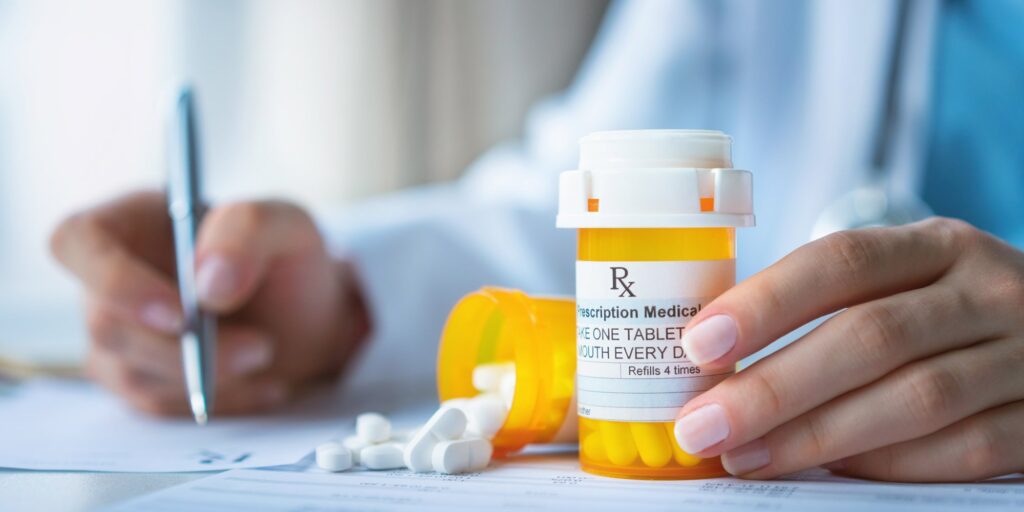
- Options include all FDA-approved medications, including methadone, buprenorphine and naltrexone
- Stabilizes brain chemistry, reduces withdrawal symptoms and curbs cravings
- Fully integrated with counseling and recovery support for long-term success
- Tailored treatment plans based on clinical assessment and patient needs
Coordinated Discharge & Follow-Up
- Direct collaboration with hospital and ED care teams
- Warm handoffs and secure, HIPAA-compliant information exchange
- Ongoing updates to referring clinicians on patient progress
- Post-discharge support ensures adherence and reduces risk of relapse

Proven Outcomes Hospitals Can Rely On
Data-driven reporting to support hospital quality metrics

![[ERROR] Error code: 400 - {'type': 'error', 'error': {'typ](https://www.bhgrecovery.com/wp-content/uploads/2026/01/Intensive-Outpatient-Program-IOP-Benefits-of-IOP.jpg)





Frequently Asked Questions for Hospitals & EDs
How does BHG support hospital discharge planning for SUD patients?
BHG partners with hospitals and EDs to provide rapid intake, same-day or next-day admissions and MAT. This approach reduces avoidable readmissions, lowers uncompensated care costs and ensures safe transitions from acute care or transitional programs to ongoing outpatient programs.
What types of substance use disorder treatments are available through BHG?
BHG treatment for substance use disorder (SUD), opioid use disorder (OUD) and co-occurring mental health integrates medication (methadone, buprenorphine, naltrexone), individual and group counseling, case management and intensive outpatient programs (IOP) tailored to patient needs.
How does BHG communicate patient progress back to hospital teams?
Through BHG’s HIPAA-compliant Referral Portal, hospital care teams can track referrals and receive de-identified outcome reports on treatment engagement and recovery milestones, supporting informed clinical decisions.
Can hospitals refer patients to BHG regardless of insurance coverage?
Yes. BHG accepts patients with Medicaid, Medicare, commercial insurance, or no insurance, providing access to proven SUD treatment for individuals in need.
How quickly can a patient be admitted after an ER or hospital referral?
Patients receive same-day or next-day intake for outpatient treatment programs, reducing delays and preventing relapse or readmissions.