
How Does Substance Use Disorder Affect the Brain?
Substance use disorder changes brain chemistry, decision-making and the reward system. Learn how SUD affects the brain and how recovery can help it heal.

Substance use disorder (SUD) is often misunderstood as a matter of willpower or personal choice. But science tells a different story. SUD is a condition that physically changes the way the brain works, and understanding those changes is one of the most important steps toward recovery.
When we understand how the brain is affected by substance use, it becomes easier to see why recovery takes time, why relapse can happen, and why the right treatment and support make such a difference.
What is Substance Use Disorder?
Substance use disorder is a medical condition in which a person’s use of alcohol or drugs causes significant distress or problems in daily life. According to the National Institute on Drug Abuse (NIDA), SUD involves patterns of use that a person struggles to control despite harmful consequences.
It is not a moral failing or a character flaw. It is a chronic condition that changes the structure and function of the brain – and like other chronic conditions, it responds to treatment.
How Does Substance Use Disorder Affect the Brain?
Drugs and alcohol interfere with the brain’s normal communication systems. Over time, this leads to lasting changes in how the brain functions. Here are four key ways SUD affects the brain:
1. Changes in Brain Chemistry
Dopamine is the chemical that drives feelings of pleasure, motivation and reward. Substances like opioids, alcohol and stimulants trigger a large release of dopamine, producing feelings of pleasure that are much stronger than what everyday experiences can create.
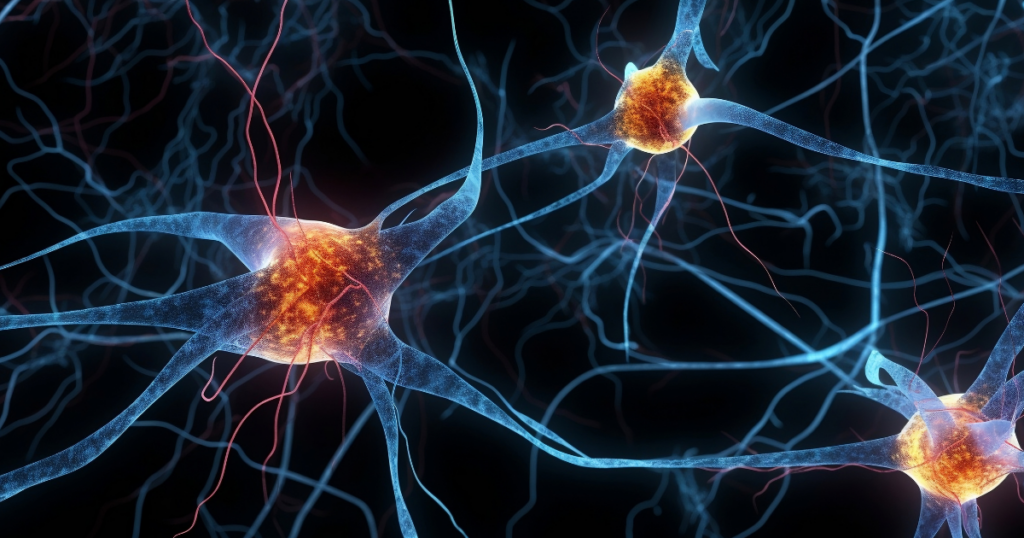
Over time, the brain adjusts by producing less dopamine on its own. Research shows that everyday activities stop feeling as rewarding, and a person starts to feel like they need the substance just to feel okay. This is the cycle that drives continued use and deepens dependence.
2. Changes in Thinking and Judgement
The prefrontal cortex handles decision-making, impulse control and rational thinking. Substance use changes this part of the brain, making it harder to think clearly, consider consequences or resist cravings – even when a person genuinely wants to stop.
This is why people with SUD are not simply choosing to keep using. The condition affects the brain’s ability to make deliberate, controlled decisions.
3. The Brain’s Reward System
The brain’s reward system is designed to reinforce behaviors that help us survive – things like eating, connecting with others and staying safe. Substances can hijack this system, essentially teaching the brain that using drugs or alcohol is necessary for relief or reward.
As tolerance builds, the brain needs more of the substance to feel the same effect. That is what drives escalating use and makes stopping so difficult without professional support.
4. Stress and Emotional Regulation
SUD also affects the amygdala, the part of the brain that processes stress, fear and emotion. Over time, people with SUD often become more sensitive to stress, which makes it harder to handle everyday challenges without turning to substances. Learning to manage stress is a big part of the recovery process.
How Do Opioids Affect the Brain?
Like other substances, opioids can have a strong effect on the brain, especially in areas linked to reward, motivation and pain relief. Changes in brain chemistry, reward pathways and stress response can be especially noticeable with opioid use.
In this video, our Chief Medical Officer Dr. Benjamin Nordstrom explains how opioids affect the brain, why opioid withdrawal can be difficult and how opioid use disorder develops. He also discusses how medications for opioid use disorder (MOUD) and other evidence-based treatments can help support recovery.
Can the Brain Recover from Substance Use Disorder?
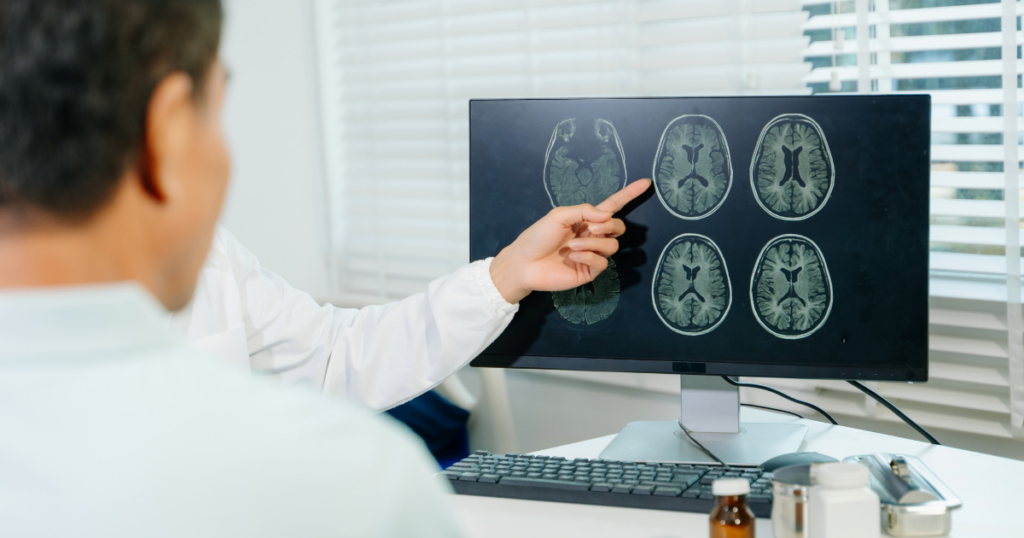
Yes. The brain has a remarkable ability to change and heal, something researchers call neuroplasticity. With the right treatment, healthy habits and consistent support, the brain can begin to restore normal function over time.
How Long Does it Take the Brain to Recover from Substance Use Disorder?
Research suggests the brain can begin healing within weeks of stopping substance use. Improvements in brain function may continue for months or even years, depending on factors such as the substance used, the length of use, overall health, and access to treatment and support. Recovery looks different for everyone, but progress is possible at every stage.
That is not meant to discourage anyone. It is a reminder that recovery is a journey worth taking, and every step forward matters.
How Does Treatment Help the Brain Heal?
Effective treatment supports the brain’s recovery by addressing both the physical and behavioral effects of substance use disorder. It’s also about helping the brain regains healthier patterns of thinking, decision-making and emotional regulation over time.
Medications for Opioid Use Disorder (MOUD)
Medications for opioid use disorder (MOUD) – including methadone, buprenorphine and naltrexone – are proven to reduce opioid cravings and ease withdrawal symptoms. MOUD also helps stabilize brain chemistry and support healthier brain function, making it easier to stay in recovery and avoid relapse.
Behavioral Therapy
Therapies like Cognitive Behavioral Therapy (CBT) help people recognize and change thought patterns and behaviors that contribute to substance use. Over time, these therapies help build healthier coping skills and support lasting changes in the brain.
Support and Healthy Habits
Recovery is strengthened by supportive relationships and healthy daily routines. A strong support network, good nutrition, regular exercise and good quality sleep can all help reinforce the positive brain changes that happen during recovery. Studies have found that nutrition plays a meaningful role in how well the brain heals during recovery.

You Don’t Have to Figure This Out Alone
Whether you’re looking for opioid use disorder treatment for you or someone you know, BHG is here to help. Our teams offer compassionate, evidence-based care, including MOUD, behavioral therapy, and ongoing support with same day or next day intake and medication treatment. With more than 110 clinics across 20+ states, help is closer than you think.
Looking for treatment for yourself or a loved one? Find a BHG treatment center near you or call 844-535-7291.
Are you a healthcare provider or community partner looking to refer a patient? Call our 24/7 referral support line at 866-763-2244 or submit a secure online patient referral.
Medically reviewed by: Dr. Benjamin Nordstrom, MD, PhD
Last reviewed: July 2026
Download Our Free Guide: How SUD Affects the Brain
Want a simple, easy-to-share summary of how SUD affects the brain? Download our free guide, Understanding Substance Use Disorder in the Brain, put together by BHG’s clinical team. It’s a helpful resource for people in recovery and the people who care about them.
Frequently Asked Questions about Substance Use Disorder and How It Affects the Brain
How Does Substance Use Disorder Affect the Brain Long-Term?


Long-term substance use can cause lasting changes to parts of the brain responsible for reward, decision-making and stress management. These changes can affect mood, motivation, impulse control and emotional regulation. With treatment, healthy habits and ongoing support, the brain can continue to heal and adapt over time.
What Part of the Brain is Most Affected by Substance Use Disorder?
Substance use disorder affects several areas of the brain, including the prefrontal cortex, limbic system and amygdala. The prefrontal cortex helps with decision-making and impulse control. The limbic system manages reward and motivation, while the amygdala helps regulate stress and emotions.
How Long Does it Take to Rewire Your Brain from Substance Use Disorder?
The brain starts adapting and healing within weeks of stopping substance use. Full neurological recovery takes longer, often months to years, depending on the substance, how long it was used and individual health factors. Treatment and consistent support make a meaningful difference in how quickly recovery progresses.
Is Substance Use Disorder a Medical Condition?
Yes. Substance use disorder is a chronic medical condition that affects brain structure and function. It is not a lack of willpower, a personal failing or a character flaw. Like other chronic health conditions, it can be effectively managed with evidence-based treatment and ongoing recovery support.
What Medications Help the Brain Recover from Opioid Use Disorder?
Medications for opioid use disorder (MOUD), including methadone, buprenorphine and naltrexone, are the most effective treatments available. They help stabilize brain chemistry, reduce cravings and support long-term recovery. Learn more about how each medication works. For more information about our treatment programs, call 844-535-7291.