


Treatment
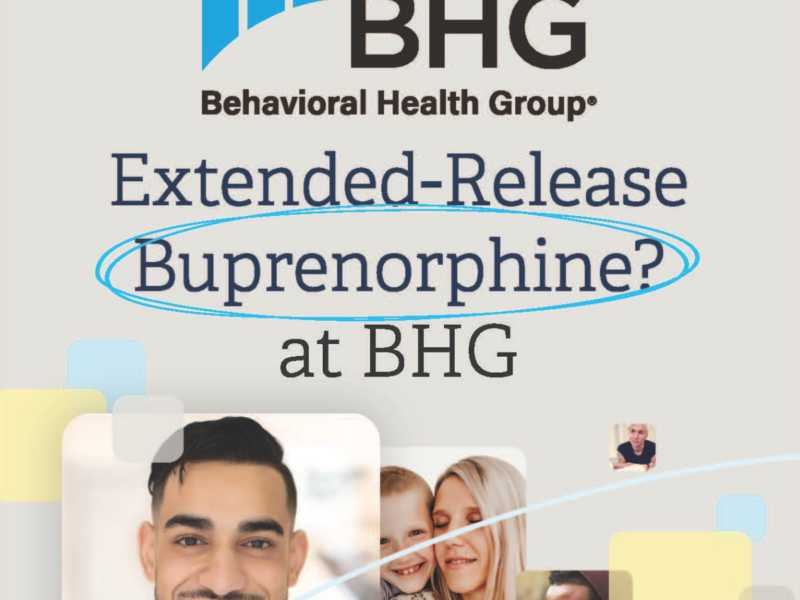
Partner Brochure: What is Extended-Release Buprenorphine?
Learn how extended-release buprenorphine can support adherence, stability and continuity of care for patients with opioid use disorder.
Read More
BHG Medical Directors Series: Dr. Rikki Pleasants | Knoxville, TN
Compassionate addiction treatment supports recovery by reducing stigma and meeting patients where they are with evidence-based care.
BHG Medical Directors Series: Dr. James Harber | South Carolina
Evidence-based opioid use disorder treatment supports recovery through medication, counseling and patient-centered care.
Treating the Whole Person: Dr. Stephanie Peglow on Evidence-Based Addiction Care
Whole-person addiction treatment supports recovery by addressing physical, emotional and behavioral needs through evidence-based care.
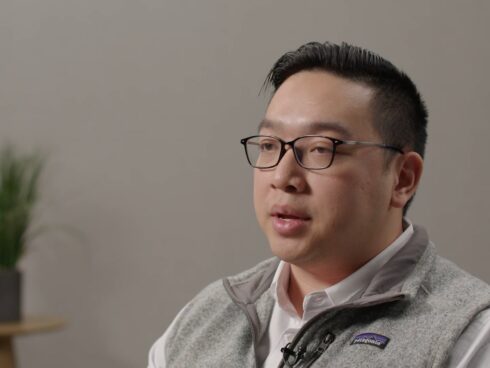
More Than Medicine: Dr. Tommy Pham on Meeting Patients Where They’re At
Meeting patients where they are in addiction treatment helps build trust, reduce stigma and support long-term recovery.
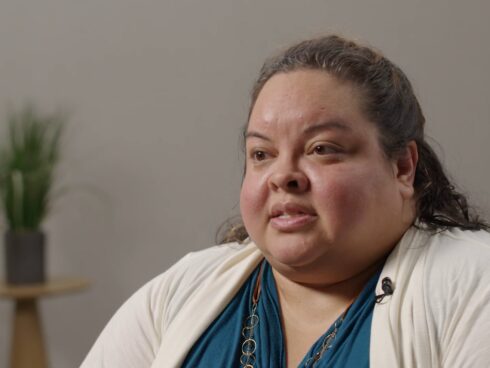
From Working in the ER to Addiction Care: Dr. Melinda Turner’s Journey to Saving Lives at BHG
Treating opioid use disorder helps save lives through compassionate, evidence-based care and long-term support.

Evidence-Based Treatment
Evidence-based addiction treatment uses medication, counseling and clinical best practices to support recovery and improve long-term outcomes.

What makes BHG different as a referral partner?
Discover how BHG serves as a trusted opioid use disorder referral partner, supporting healthcare, justice and community providers.

Why is counseling so important?
Why is counseling so important? Dr. Ben Nordstrom explains how counseling supports healing, recovery and long-term success in treatment.
How should we think about medication-assisted treatment?
Understanding medication-assisted treatment helps explain how medication and counseling support recovery and improve outcomes.
How has stigma affected people’s willingness to seek care?
Stigma and seeking addiction treatment are closely linked. Learn how stigma affects care and what helps people feel comfortable seeking help.
What is BHG’s integrated dynamic care model?
BHG integrated dynamic care model combines medication, counseling and coordinated support to improve outcomes and support recovery.
What is BHG doing to keep patients in treatment?
What is BHG doing to keep patients in treatment? Learn how BHG supports patients with medication, counseling and ongoing care.