


Awareness and Stigma

Why Some States Are Banning Kratom
Learn why states are banning kratom, what Tennessee’s new law means and what you should know about kratom risks, dependence and withdrawal.
Read More
BHG Medical Directors Series: Dr. Nathan Mullins | North Carolina
Discover how Dr. Nathan Mullins and BHG deliver opioid use disorder care for pregnant patients, integrating medications and counseling.

How will changing public need shape BHG’s service offering?
Behavioral health services are evolving to meet patient needs. Learn how BHG expands care, integrates new approaches and improves access.
How are we transforming lives?
Watch BHG share how patient-centered addiction treatment at BHG helps people feel supported, respected and empowered in recovery.
How are regulations changing addiction treatment?
Compliance in addiction treatment supports safe, effective care. Learn how BHG adapts to regulations to improve access and patient outcomes.
How Does BHG Address the Opioid Crisis?
Opioid use disorder treatment at BHG combines medication, counseling and support to improve outcomes and support long-term recovery.
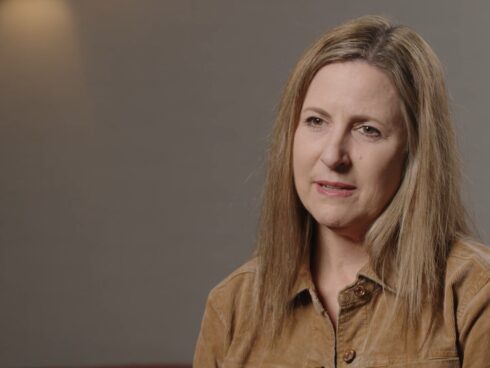
BHG Medical Directors Series: Dr. Rikki Pleasants | Knoxville, TN
Compassionate addiction treatment supports recovery by reducing stigma and meeting patients where they are with evidence-based care.

BHG Medical Directors Series: Dr. James Harber | South Carolina
Evidence-based opioid use disorder treatment supports recovery through medication, counseling and patient-centered care.
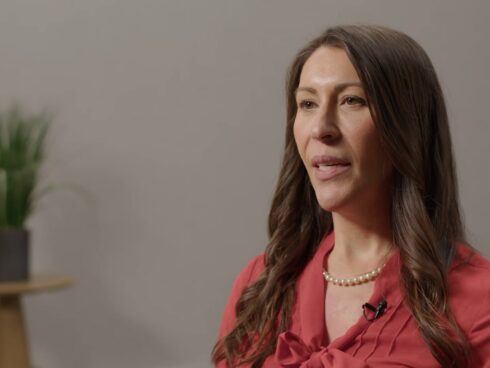
Treating the Whole Person: Dr. Stephanie Peglow on Evidence-Based Addiction Care
Whole-person addiction treatment supports recovery by addressing physical, emotional and behavioral needs through evidence-based care.

More Than Medicine: Dr. Tommy Pham on Meeting Patients Where They’re At
Meeting patients where they are in addiction treatment helps build trust, reduce stigma and support long-term recovery.
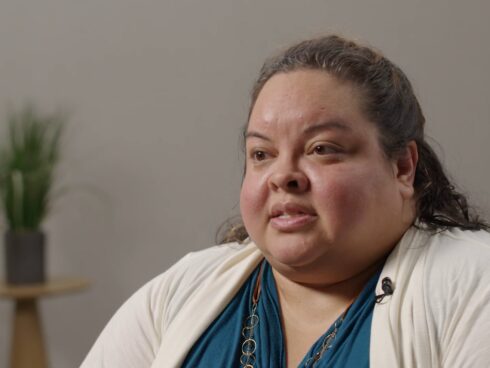
From Working in the ER to Addiction Care: Dr. Melinda Turner’s Journey to Saving Lives at BHG
Treating opioid use disorder helps save lives through compassionate, evidence-based care and long-term support.
How should we think about medication-assisted treatment?
Understanding medication-assisted treatment helps explain how medication and counseling support recovery and improve outcomes.
How has stigma affected people’s willingness to seek care?
Stigma and seeking addiction treatment are closely linked. Learn how stigma affects care and what helps people feel comfortable seeking help.