
New Year’s Resolutions in Addiction Recovery: A Practical Guide
Learn how New Year’s resolutions in addiction recovery can prioritize stability, consistency and support for sustainable progress.

New Year’s resolutions in addiction recovery often look different than traditional resolutions, and that difference matters. Instead of focusing on dramatic change or trying to “get everything right,” recovery-focused goals center on stability, consistency and support. These goals are designed to strengthen your foundation, reduce stress and help you move forward in a way that feels realistic and sustainable.
If you’re in recovery, the start of a new year can be an opportunity for reflection and renewed hope. This guide explores how to approach New Year’s resolutions in addiction recovery, with practical guidance on setting realistic goals, building supportive habits and maintaining stability throughout the year.
Why Recovery-Focused New Year’s Resolutions Are Different
Many New Year’s resolutions focus on quick results or big outcomes. In addiction recovery, this can feel overwhelming and discouraging.
Recovery is not about changing everything at once. It’s about building habits that support your health, relationships and emotional well-being over time. Recovery-aligned resolutions focus on what you do each day, not just the result.
Rather than asking, “What should I change this year?”, recovery-focused goal setting encourages a different kind of reflection. Questions like, “What will help me stay grounded, supported and consistent?” often lead to goals that feel more manageable and supportive over time.
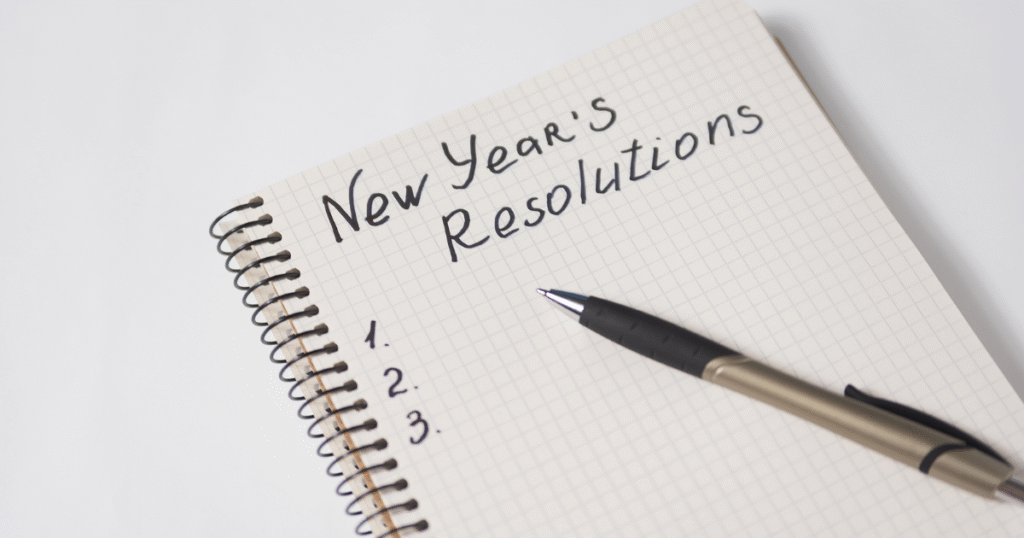
Why Traditional New Year’s Resolutions Can Be Challenging in Recovery
Many people abandon New Year’s resolutions within a few weeks. In fact, studies show that 88% of people abandon them within the first two weeks. And for individuals in recovery, traditional goal-setting can add extra pressure and emotional strain.
Common challenges include:
- All-or-nothing thinking that turns small setbacks into feelings of failure
- Unrealistic expectations that don’t account for stress, mental health or recovery needs
- Shame cycles when goals aren’t met perfectly
- External pressure from cultural messages about self-improvement
Recovery works best in an environment of compassion, flexibility and support. Goals that are too rigid or outcome-driven can unintentionally undermine that environment. During this time of year, focusing not only on resolutions but also on breaking the stigma of addiction and recovery can help set healthier expectations.
How to Set Recovery-Aligned Goals
Recovery-aligned goal setting focuses on building habits that support well-being over time. These goals help ensure that recovery goals strengthen stability and allow room for change when life gets stressful.
Focus on Consistency Over Perfection
Consistency builds stability. Showing up regularly matters more than doing things perfectly.
Instead of aiming for perfection, focus on actions you can realistically repeat. Small, steady steps can support recovery far more than big changes that are hard to keep. Even on tough days, doing something can make a difference.
Choose Process-Based Goals
Process-based goals focus on behaviors rather than outcomes. These goals are within your control and easier to maintain.
Examples include:
- Going to weekly support meetings
- Practicing a daily grounding exercise
- Checking in with a counselor or trusted person
These types of addiction recovery goals support long-term progress without the added pressure.
Build Support Into Every Goal
Support is an important part in recovery. Goals are easier to keep when you are not doing them alone.
Consider asking:
- Who can help support this goal?
- How will I adjust if I feel overwhelmed?
- What resources can help me stay on track?
Support might include a care team, peer support, loved ones or structured treatment services.
Allow Goals to Evolve Over Time
Recovery goals are allowed to change over time. Changing a goal doesn’t mean something went wrong or you failed. It often means you’re paying attention to your needs and responding with care.
Being flexible helps recovery goals remain supportive as life changes.

Meaningful New Year’s Resolutions for Addiction Recovery
Meaningful New Year’s resolutions in addiction recovery focus on daily actions that reinforce structure, emotional wellness and connection. These ideas are designed to support sustainable progress and can be adjusted to fit individual needs, recovery stages and personal circumstances.
Strengthen Your Support Network
Connection plays a vital role in recovery. A resolution might focus on staying connected to people who understand and support your journey.
This could include attending group sessions, reconnecting with recovery peers or improving communication with trusted loved ones.
Commit to Regular Check-Ins or Meetings
Regular check-ins help support accountability and balance. Whether it’s therapy, medication management or peer support, consistency matters.
This supports both recovery goal setting and long-term stability.
Create Daily Routines That Support Recovery
Building routines in recovery provides structure and predictability. Daily habits like consistent sleep, meals and movement can reduce stress and improve focus.
Even small routines can have the greatest impact and make life feel more manageable.
Practice Self-Care Without Guilt
Self-care is not a reward, it’s essential to recovery. This includes rest, reflection and activities that support mental and emotional health.
Taking care of yourself helps build strength and resilience.
Learn and Use Healthy Coping Skills
Developing effective coping strategies is an important relapse prevention strategy. This may include mindfulness, journaling, grounding exercises or creative outlets.
Learning new coping skills supports emotional regulation during stressful moments.
Set Boundaries Around Triggers
Boundaries protect recovery. A resolution might include limiting time in places or situations that feel triggering.
Setting healthy boundaries is a way to care for yourself and your recovery.
Focus on Mental and Emotional Wellness
Mental health and recovery are closely connected. Goals that support emotional wellness can improve overall stability.
This might include regular therapy sessions, stress management practices or addressing unresolved emotions with a professional.
Celebrate Progress, Not Just Milestones
Progress matters more than perfection. Recognizing small wins reinforces motivation and confidence.
Celebrating consistency, effort and self-awareness helps build confidence and motivation.

Moving Forward With Support
A new year can bring changes, stress and strong emotions. Resources on how to navigate the holidays in addiction recovery can offer helpful perspective on managing stress and make this time of year easier to manage.
Recovery is not a straight line. Setbacks can happen and they do not mean failure. Having a plan for hard moments and knowing who to reach out to can help lower the risk of relapse and support continued progress.
If you’re currently in treatment, your care team can help you shape goals that fit your recovery plan. If you’re thinking about treatment, the start of a new year can be a meaningful time to learn more about your options.
At Behavioral Health Group (BHG), we’re here to support recovery through education, consistency and connection. To learn more about treatment options or find a location near you, visit our website or call 844-535-7291 for additional information.
If you’re a healthcare provider or a community partner with a patient who can benefit from outpatient treatment for substance use disorder, call 866-763-2244 or submit an online referral form.
© 2025 BHG Holdings, LLC. All rights reserved. Trademarks are the property of their respective owners.
Frequently Asked Questions
Questions about recovery resolutions are common, especially at the start of a new year. The answers below address practical questions about setting goals, staying flexible and finding support in recovery.
Should people in recovery set New Year’s resolutions?


It’s a personal choice. For many people, the new year can be a helpful time to reflect and recommit, but for others, it’s just another month. Resolutions are not required for recovery. Goals can be set at any time and should always support overall health and well-being.
People in recovery are more likely to benefit from New Year’s resolutions when goals are integrated with their care plan and grounded in stability and support. Recovery resolutions work best when they focus on daily habits, routines and connection rather than dramatic change.
What makes a recovery goal realistic?
A realistic recovery goal is one that fits into daily life and can be maintained over time. These goals are usually process-based, such as attending regular check-ins, practicing recovery self-care or building routines in recovery.
Realistic goals allow flexibility and recognize that needs may change. When goals are achievable and supported, they are more likely to build confidence and consistency throughout the year.
How do recovery resolutions support long-term stability?
Recovery resolutions support long-term stability by reinforcing healthy habits in recovery that reduce stress and create structure. Goals focused on routines, support and self-care help individuals stay grounded during daily challenges.
Over time, repeating small actions build confidence and emotional balance. Stability grows through manageable, consistent behaviors rather than short bursts of motivation, making recovery more sustainable.
What types of recovery goals help prevent relapse?
Goals that support relapse prevention often focus on awareness, preparation and support. Recovery goals that help prevent relapse may include identifying triggers, practicing coping skills, keeping consistent routines and staying connected to supportive people.
Goals that encourage regular check-ins and planning ahead can help reduce isolation and make it easier for individuals to respond more effectively to stress or cravings when they come up.
What happens if I slip up on a recovery resolution?
A setback or slip up does not erase progress. Challenges are a normal part of recovery and can provide insight into what additional support or adjustments may be helpful.
Recovery goals can be changed as needed. A setback or slip up can be an chance to pause, reflect and reconnect with supportive resources without judgment. Progress is measured over time, not by a single moment or missed goal.
Are recovery goals different in early recovery compared to later recovery?
Yes. Recovery goals for the new year may look different depending on where someone is in their journey. In early, recovery goals often focus on stability, structure and consistent support, while later goals may emphasize growth, balance and long-term wellness.
Both approaches are valid and important. Recovery goals work best when those goals align with current needs rather than outside expectations.
Can recovery resolutions include non-recovery goals?
Yes. Recovery resolutions can include goals related to work, relationships or personal interests – as long as they support overall wellbeing and do not add extra stress.
Many people find that aligning personal goals with recovery values helps reinforce motivation and confidence.
How can family and friends support recovery goals?
Family and friends can support recovery goals by respecting boundaries, offering encouragement and staying informed about addiction recovery. Support may include checking in regularly, celebrating progress or helping maintain routines. Open communication and understanding can reduce pressure and create a more supportive environment for recovery-focused goal setting.
Is it okay to change recovery goals during the year?
Yes. Recovery goals can evolve as circumstances and needs change. Adjusting goals does not mean giving up or starting over. Being flexible allows individuals to respond thoughtfully to stress, life events or new priorities. Recovery-aligned goals are designed to support long-term wellness, and can be a sign of growth and self-awareness.
Are New Year’s resolutions necessary for addiction recovery?
No, New Year’s resolutions are not necessary for addiction recovery. Recovery does not depend on a specific date or milestone. While some people find the new year motivating, others choose to focus on daily stability without setting formal resolutions. What matters most is continuing habits that support health, connection and consistency.