


Healthcare Providers
Better Outcomes Start with Stronger Partnerships
We work with other healthcare providers such as hospitals, emergency departments, physicians, pain management specialists and behavioral health providers to connect patients with the right care at the right time.

Closing the Gap in Substance Use Disorders Care
Substance use disorder (SUD) — including opioid use disorder (OUD) — is a challenging but treatable chronic condition, yet it remains one of the least consistently managed in the healthcare system. Nearly 49 million Americans experience an SUD each year, but fewer than 1 in 5 receive treatment.1
Clinicians often recognize early signs of misuse or dependence, but without streamlined referral pathways, many patients are lost between acute care and long-term recovery. The result is higher readmission rates, untreated OUD and preventable overdose deaths—costing both patients and healthcare systems.
Supporting Healthcare Providers in Patient Care
Why Healthcare Providers Partner with BHG
Evidence-Based, Whole-Person Treatment
Medications for opioid use disorder (MOUD)
- Methadone
- Buprenorphine
- Naltrexone
- Counseling (individual and group)
- Case management & support services
Joint Commission-accredited
As one of the largest networks of Joint Commission–accredited outpatient opioid treatment centers in the United States, we align our programs with rigorous national standards for quality and patient safety.
Fast, Reliable Access to Care
- More than 110 locations in 20+ states with same-day/walk-in capacity
- 24/7 referral line and secure portal
- Medicare, Medicaid, most commercial insurance accepted, grants and flexible self-pay
![https://www.bhgrecovery.com/wp-content/uploads/2026/01/a-smiling-overweight-woman-talking-with-a-psycholo-2025-10-08-11-36-18-utc.jpg,[ERROR] Error code: 413 - {'error': {'type': 'request_too_](https://www.bhgrecovery.com/wp-content/uploads/2026/01/a-smiling-overweight-woman-talking-with-a-psycholo-2025-10-08-11-36-18-utc-1024x683.jpg)
Proven Results You Can Trust

decrease in substance use

improved quality of life

avoided repeat ER visits or 911 calls
How We Support Your Setting
Hospitals and Emergency Departments
Rapid intake and discharge planning to reduce readmissions.
Learn MoreReferral Options That Fit Your Workflow
Frictionless Referrals
Choose the method that fits your workflow:
- Schedule Patient Appointment (seamless scheduling)
- Online form (secure, anytime)
- Partner portal (track/manage referrals)
- 24/7 referral line (immediate assistance)
- Patient walk-ins (same-day admissions)

New and Featured
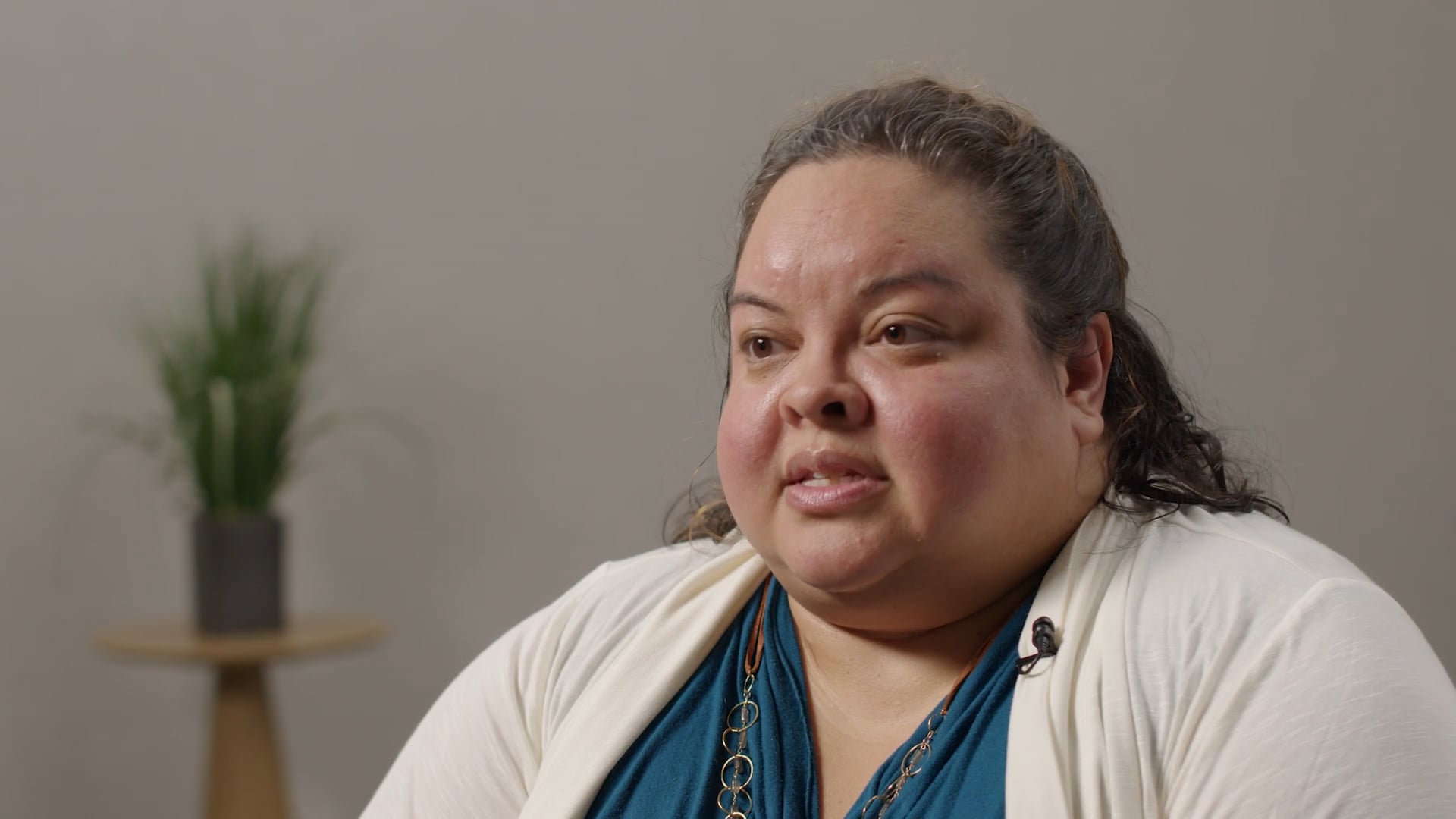
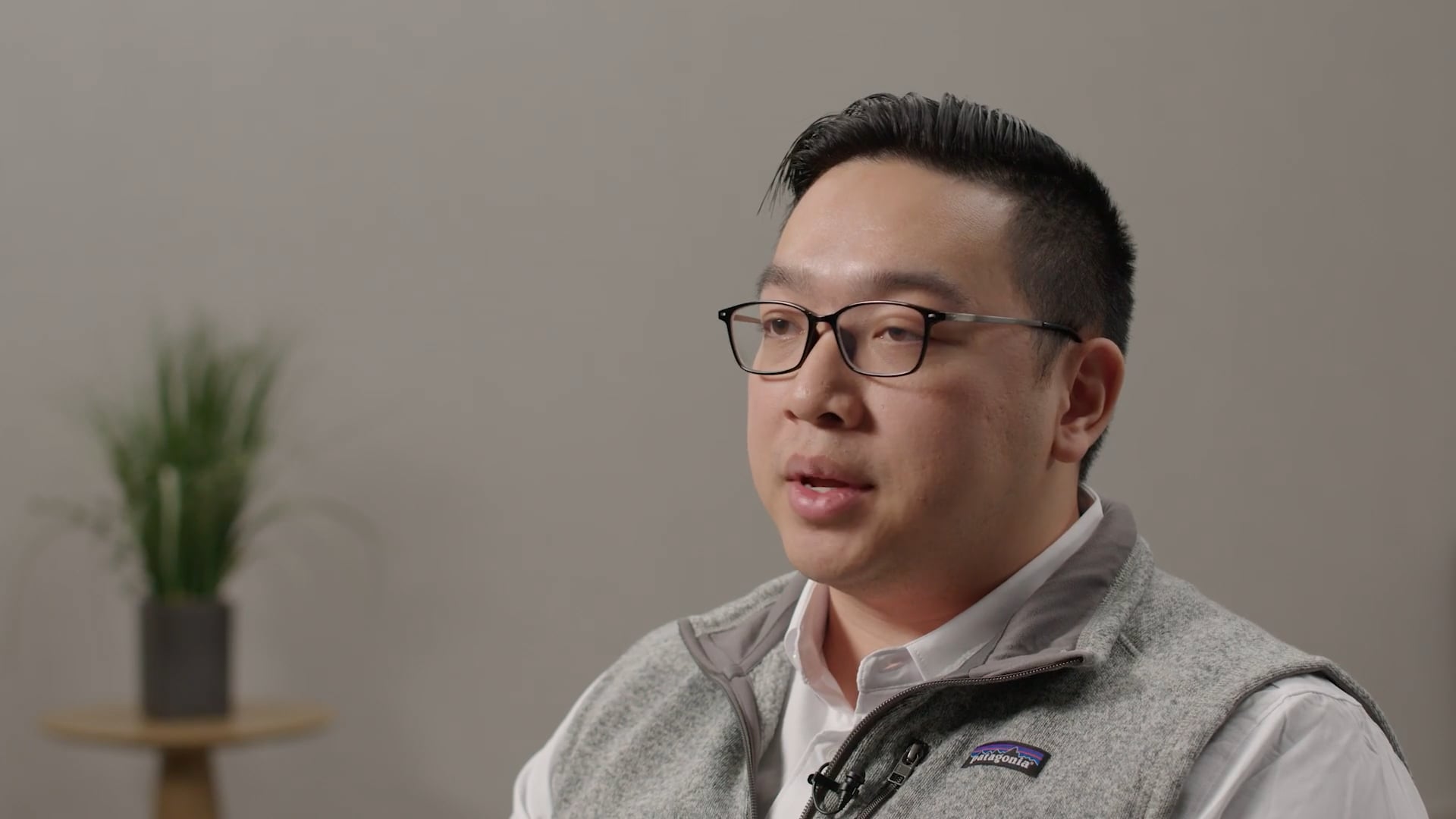
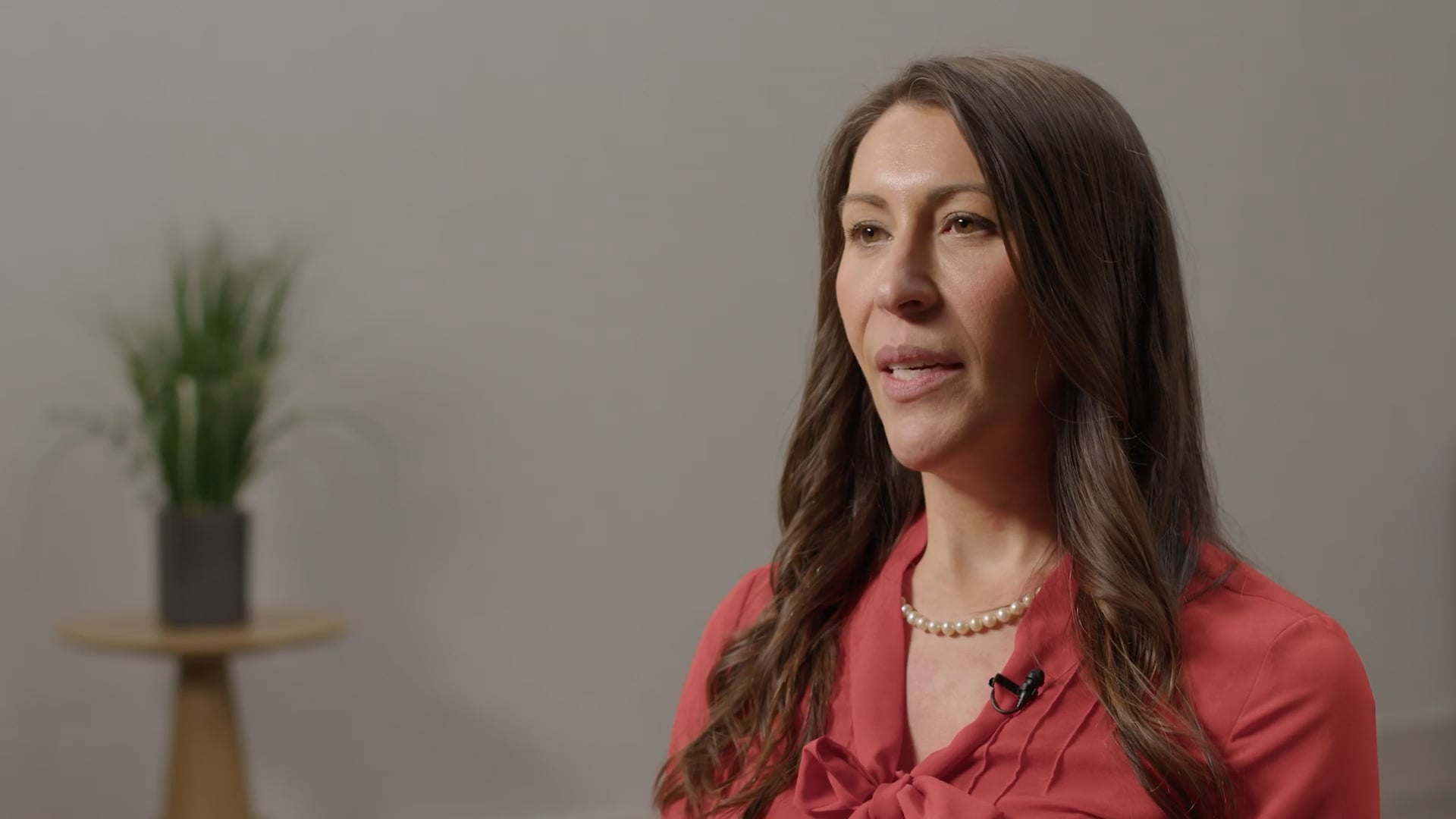
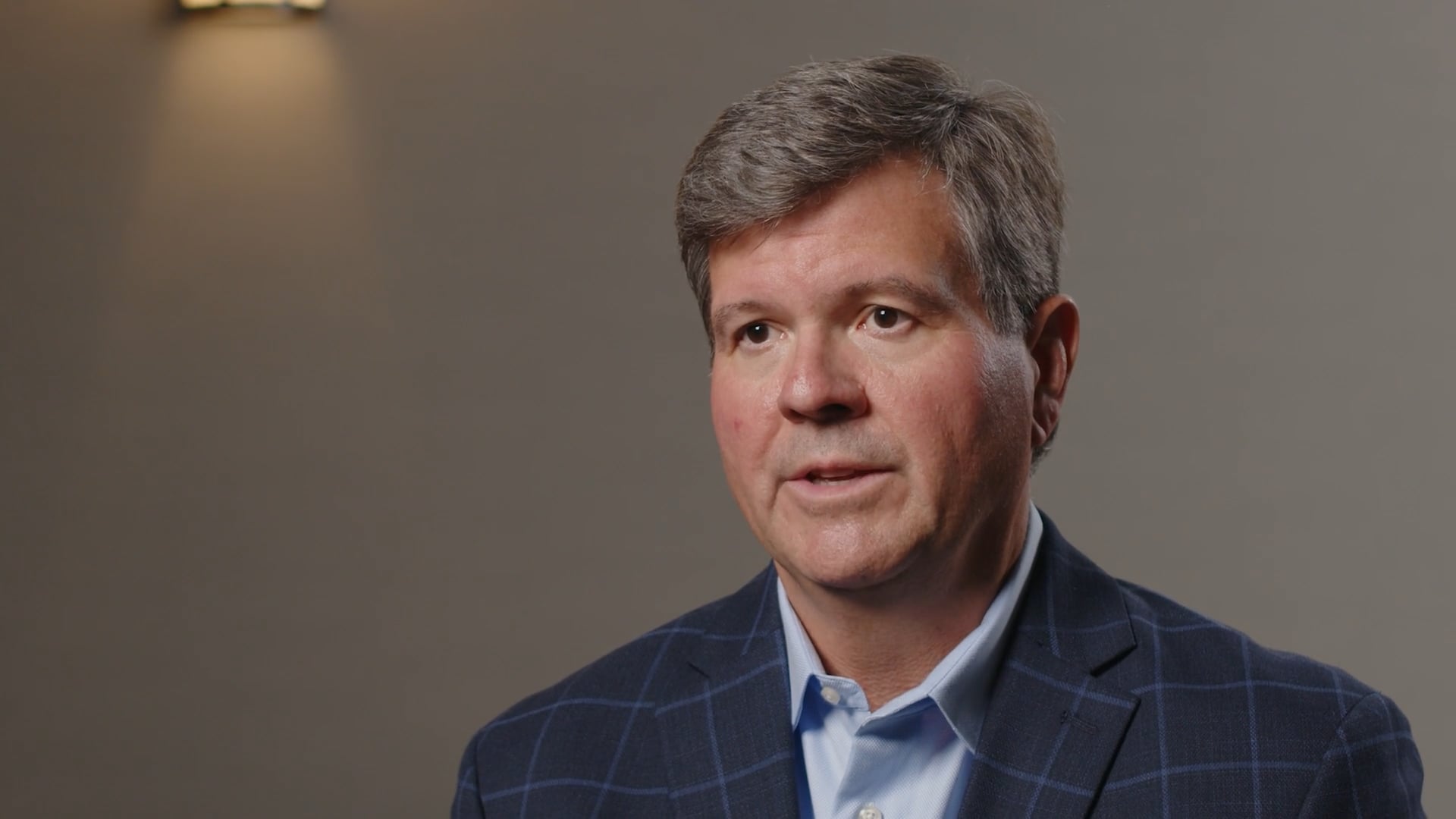
Explore success stories, helpful videos, treatment tips and expert perspectives.

Frequently Asked Questions for Healthcare Providers
How does BHG support hospital discharge planning?


BHG partners with hospitals, emergency departments and skilled nursing facilities to provide rapid intake, same-day or next-day admissions and medication-assisted treatment (MAT). This helps reduce avoidable readmissions, lowers uncompensated care costs and ensures patients transition safely from acute care to outpatient recovery. Refer a Patient
1Source: Substance Abuse and Mental Health Services Administration. (2023). Key substance use and mental health indicators in the United States: Results from the 2022 National Survey on Drug Use and Health (HHS Publication No. PEP23-07-01-006). U.S. Department of Health and Human Services. https://www.samhsa.gov/data/report/2022-nsduh-annual-national-report